Tyler the Creator Takes Pastels & Skatewear on a Run Through Fashion’s Phases
Table of Contents
He Doesn’t Dress for the Moment, He Builds It
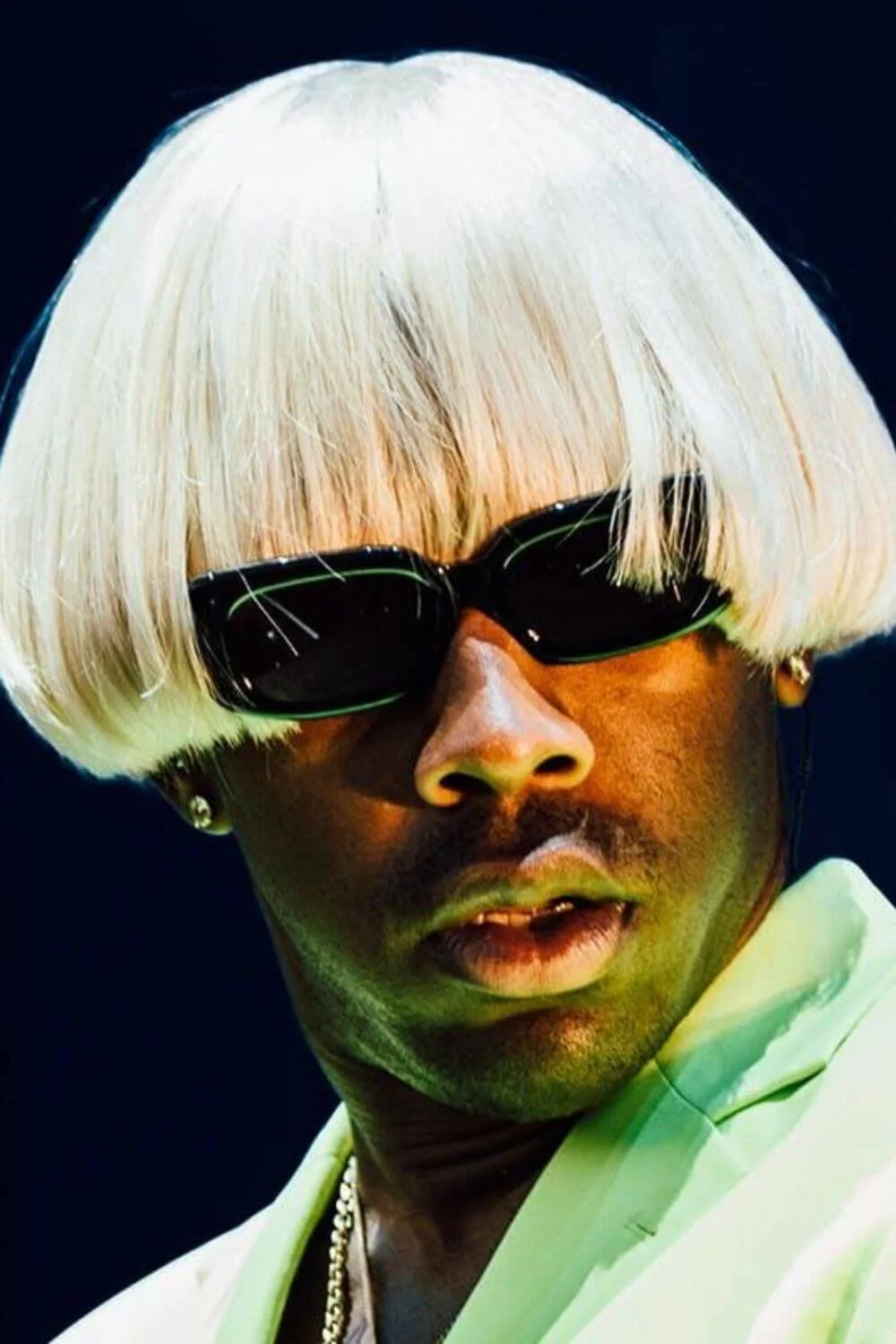
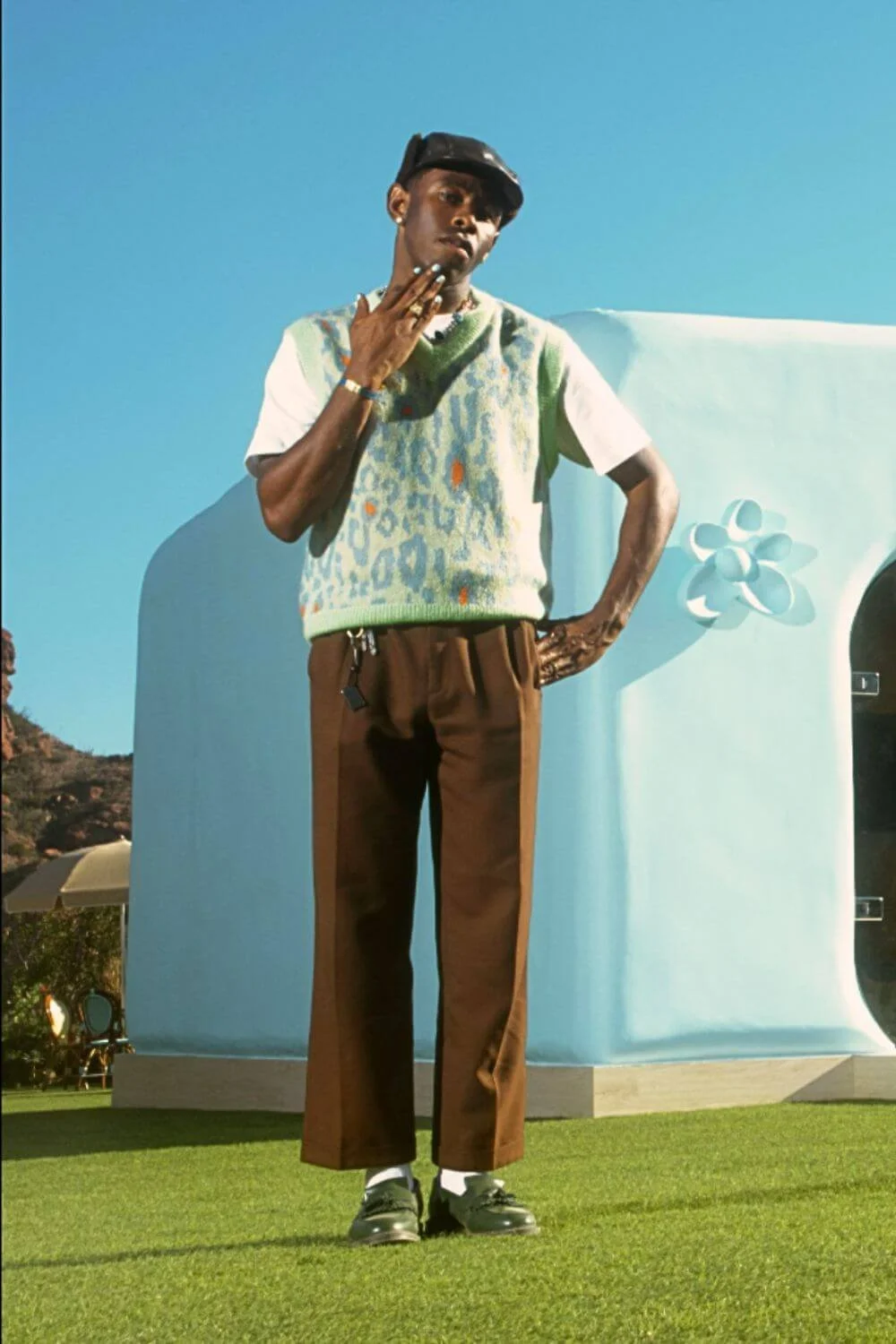
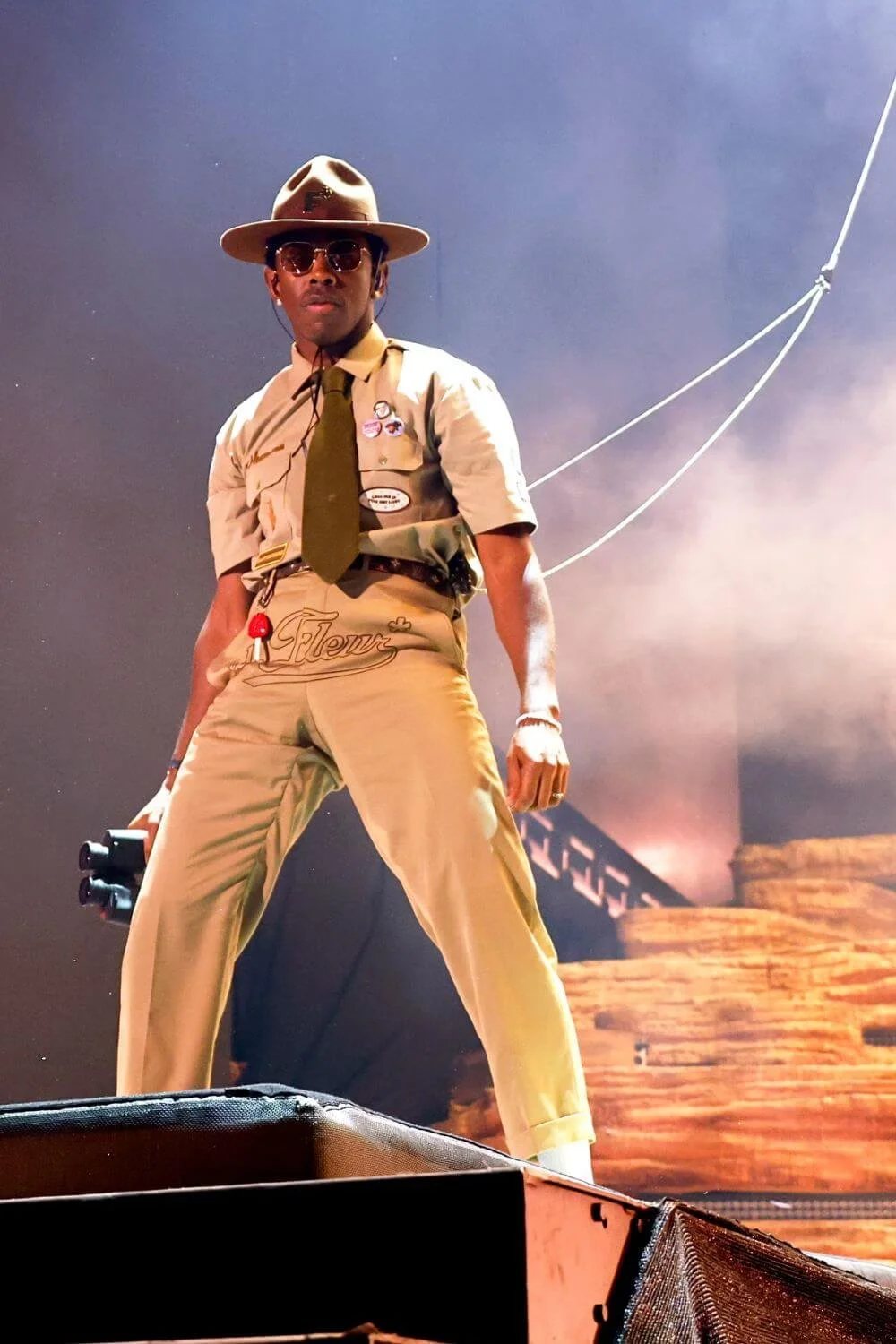
image source: getty images
Tyler, the Creator has never treated clothes like an afterthought.
From the outside, his style can feel unpredictable, graphic tees one year, mohair sweaters the next, a full suit and wig right after that. But nothing about it is random. Each shift lines up with a moment, a sound, a version of himself he’s stepping into.
That’s the difference.
He’s not getting dressed for trends. He’s dressing in character.
And once you see that, the evolution starts to make sense.
The Eras That Defined Tyler’s Style
Tyler’s wardrobe only really clicks when you look at it in phases. Each era tightens the direction a little more.
Odd Future / Goblin (2011)
This is where it starts—loud, messy, and intentional in its chaos. Bright graphic tees, Supreme hoodies, Vans, snapbacks. It felt like skate culture turned all the way up, with no interest in polish.
Wolf (2013)
Same energy, just more self-aware. Golf Wang becomes part of the uniform—striped tees, bold colors, logo-heavy pieces. It’s still playful, but now it’s his.
Cherry Bomb (2015)
This is where things start to shift. The prints get louder, but the outfits feel more considered. Rugby shirts, flame graphics, pastels. You can see him testing a different direction.
Flower Boy (2017)
Everything softens. Sweater vests, cardigans, loafers, tailored pants. The colors stay, but the energy changes. Less chaos, more control. This is where his current identity really starts to take shape.
IGOR (2019)
A full character moment. Monochrome suits, blunt wigs, a strict visual identity that didn’t break on or off stage. It felt closer to costume—but that was the point.
Call Me If You Get Lost (2021)
Now it’s refined. Loafers, pleated trousers, knitwear, vintage luggage. The outfits feel traveled, not styled—like they belong in airports, hotels, somewhere in motion.
Recent Era
He’s pulling from everywhere now—’80s hip-hop, prep, luxury—but it doesn’t feel scattered. If anything, it feels more settled. Like he knows exactly what lane he’s in.
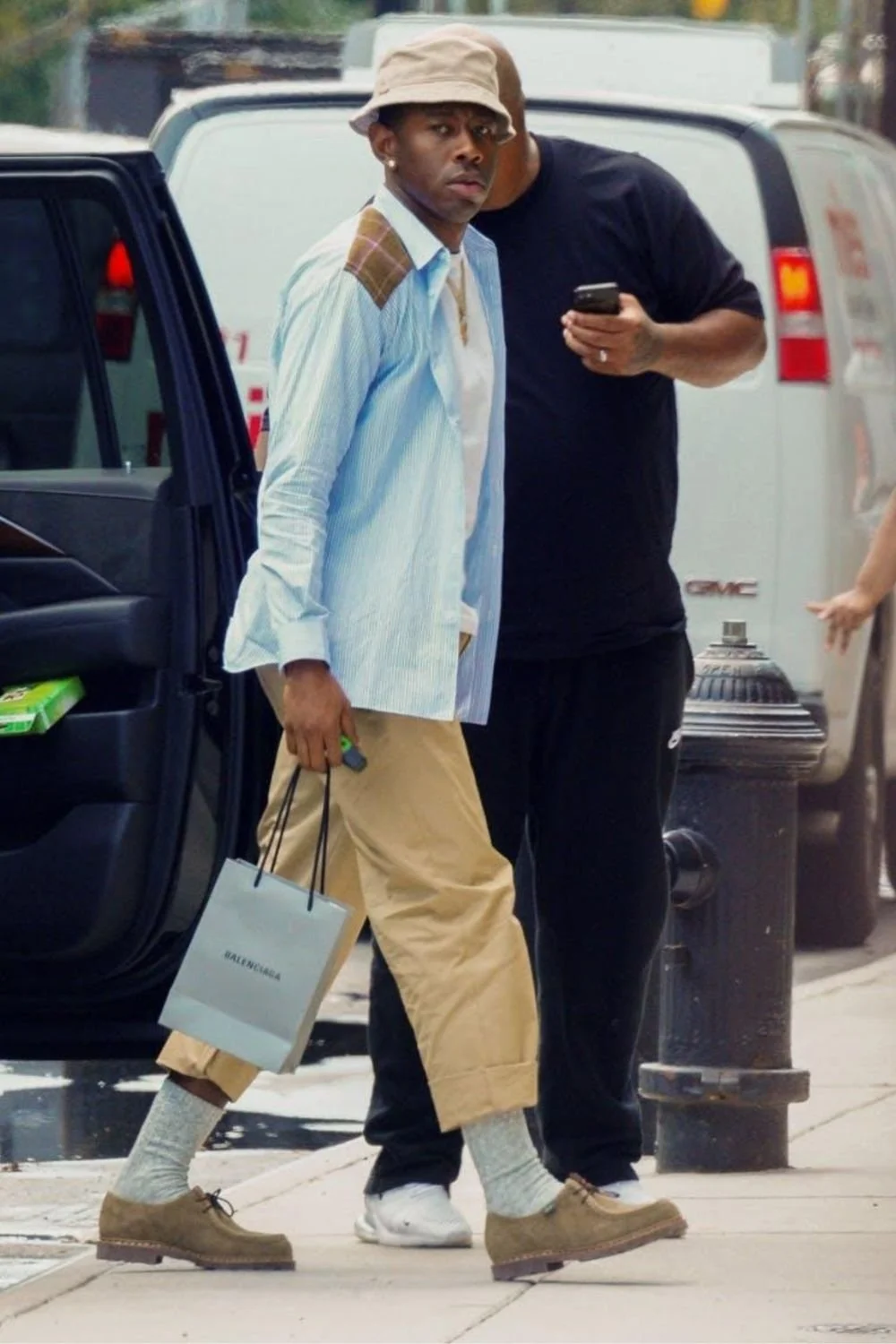
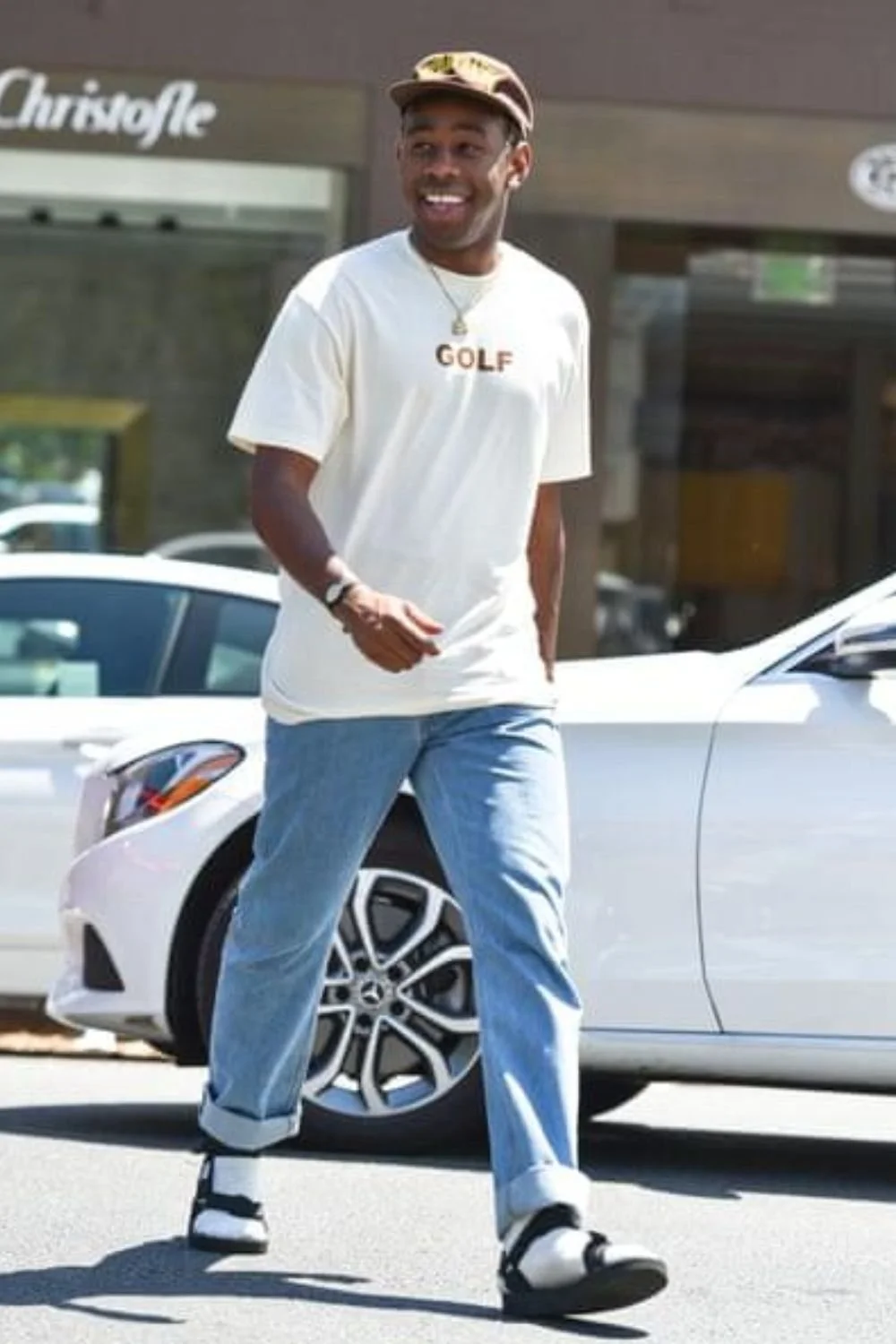
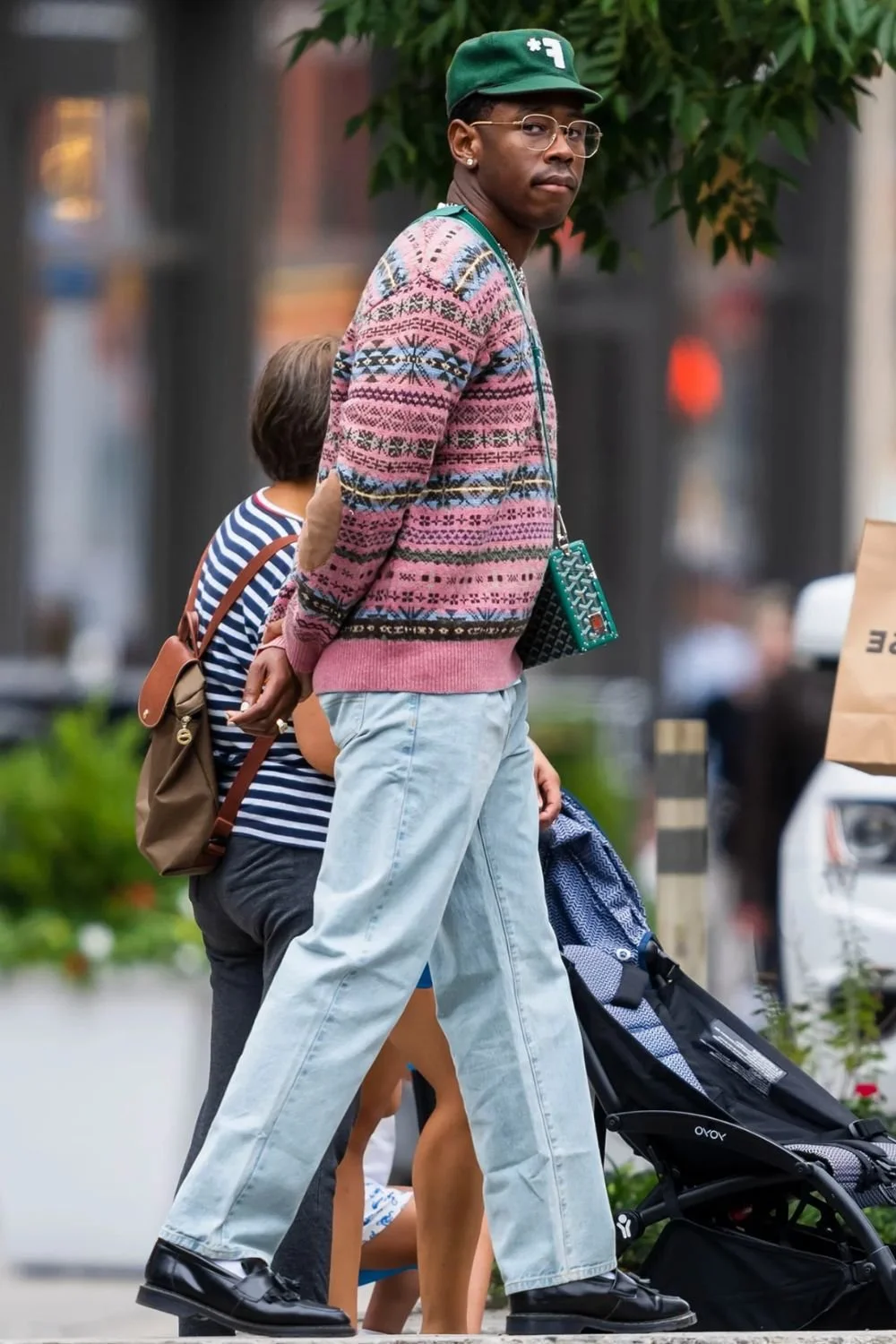
image source: editorial archives
Tyler’s style sits somewhere between a country club and a skate park, and somehow never looks confused.
That’s not easy to pull off.
He’ll take something traditionally “put-together” like loafers, knitwear, button-downs and pair it with pieces that feel casual or slightly offbeat. Shorts instead of trousers. Bright socks that don’t blend in. Colors that feel more playful than polished.
The balance is what makes it land.
Nothing feels like it’s trying too hard, but nothing feels accidental either.
Color Has Always Been the Anchor
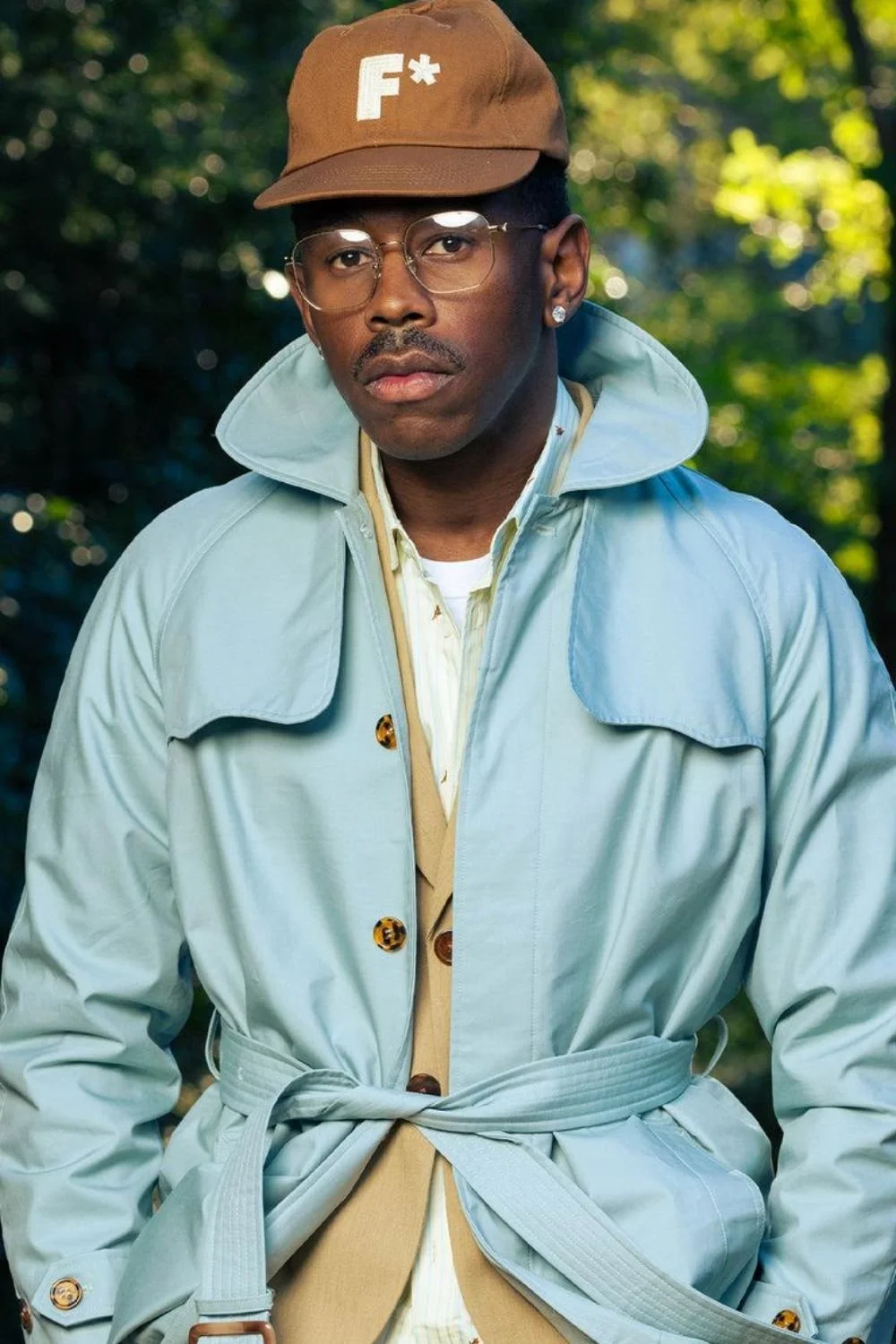
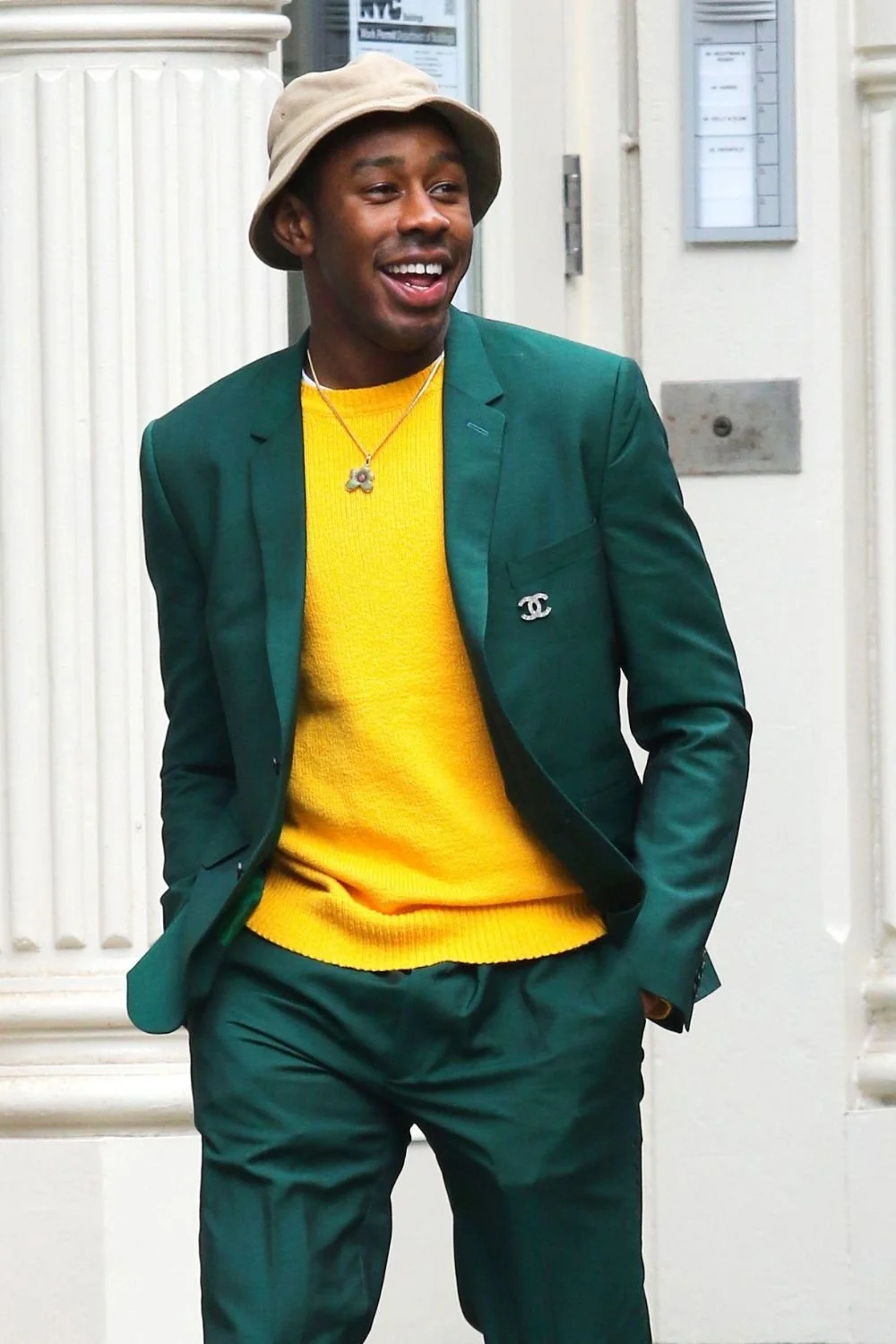
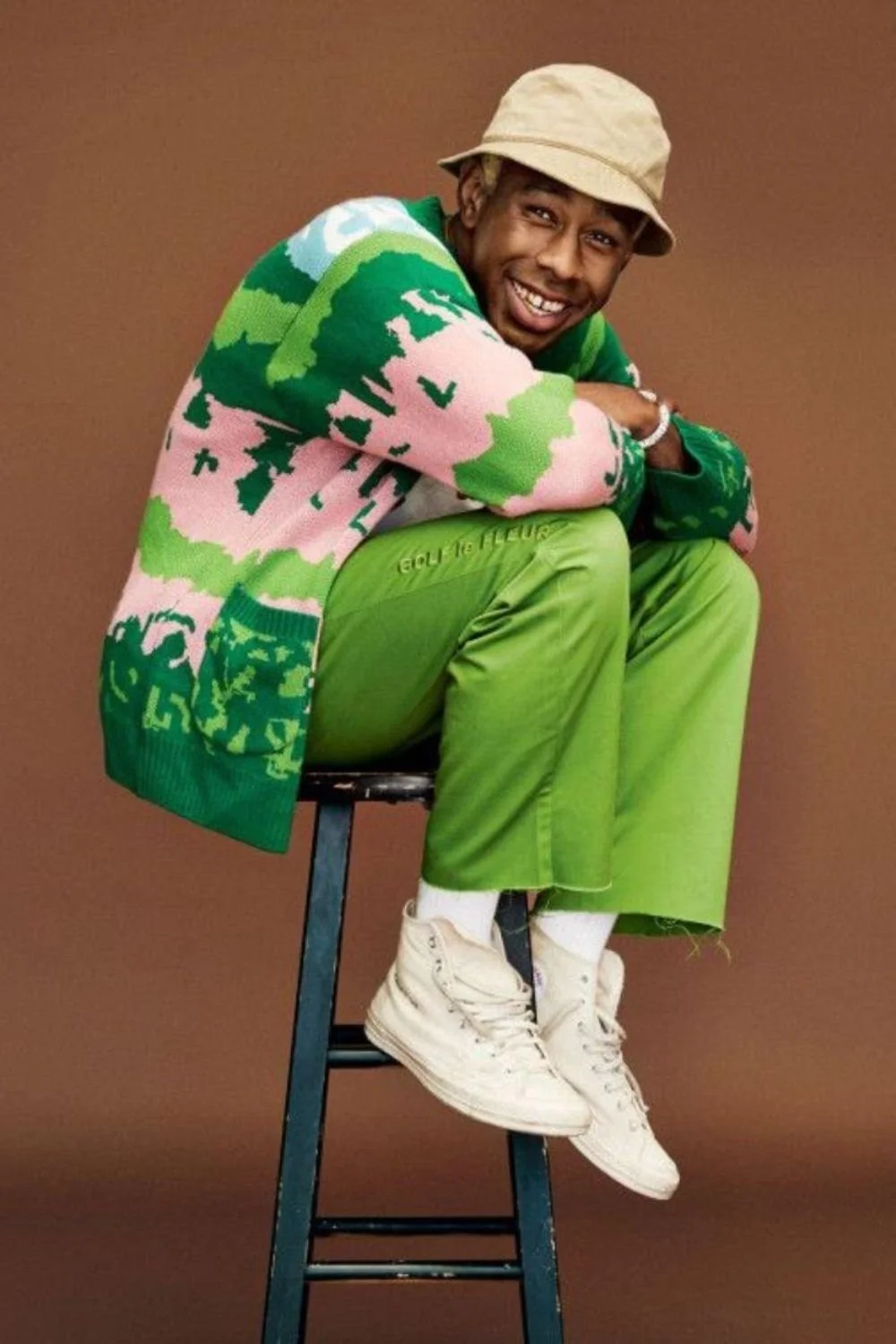
image source: getty images
Even when his style changes, the color story stays consistent.
He leans into:
pastels that feel soft but noticeable
deeper tones worn head-to-toe
bold colors, but rarely all at once
It’s never chaotic anymore.
There’s usually a limit: one idea, one direction, and everything else follows it.
That restraint is what keeps the outfits from feeling loud in the wrong way.
He Commits, Fully
Most people experiment with style.
Tyler commits to it.
When he was in his IGOR phase, it wasn’t just for performances. The suits, the wig, the color palette, it carried through everything. Same with the travel-heavy feel of Call Me If You Get Lost. The clothes matched the world he was building at the time.
That consistency is what makes his style feel intentional instead of experimental.
It’s not about trying something once.
It’s about staying in it long enough for people to understand it.
Golf Wang to Golf le FLEUR*: The Style Off the Stage
Tyler’s brands follow the same path his personal style took.
Golf Wang started loud—graphic-heavy, colorful, rooted in skate culture.
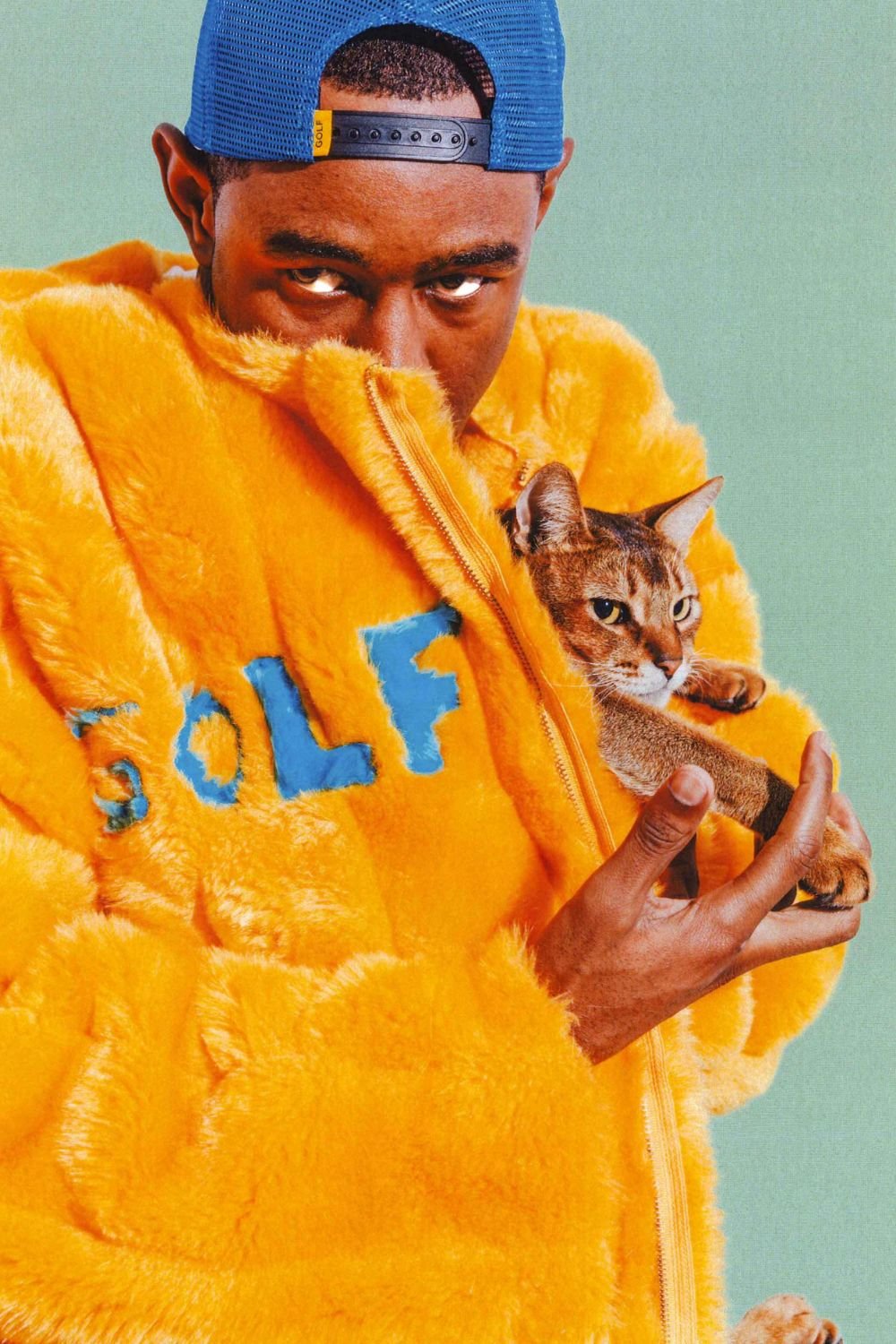
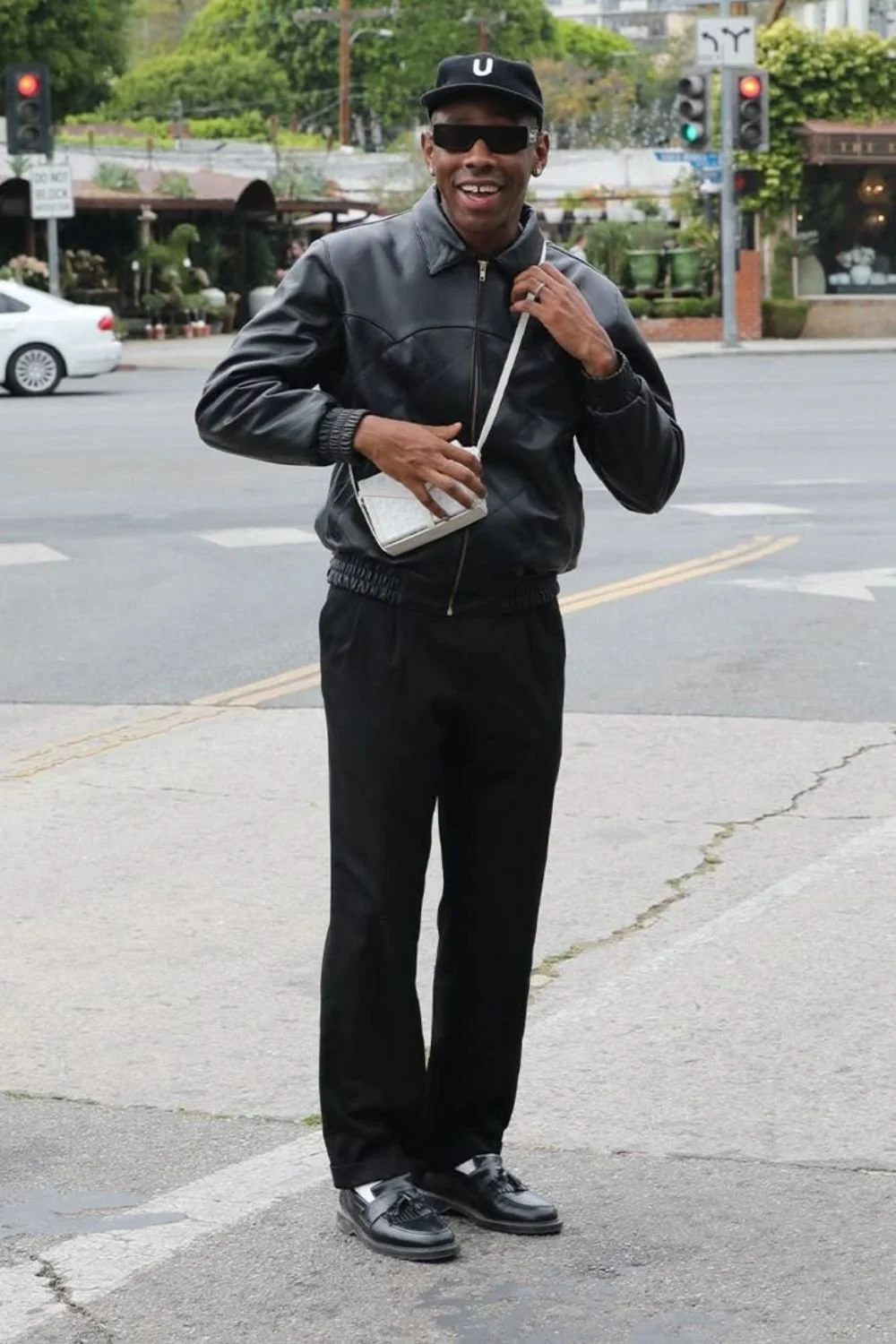
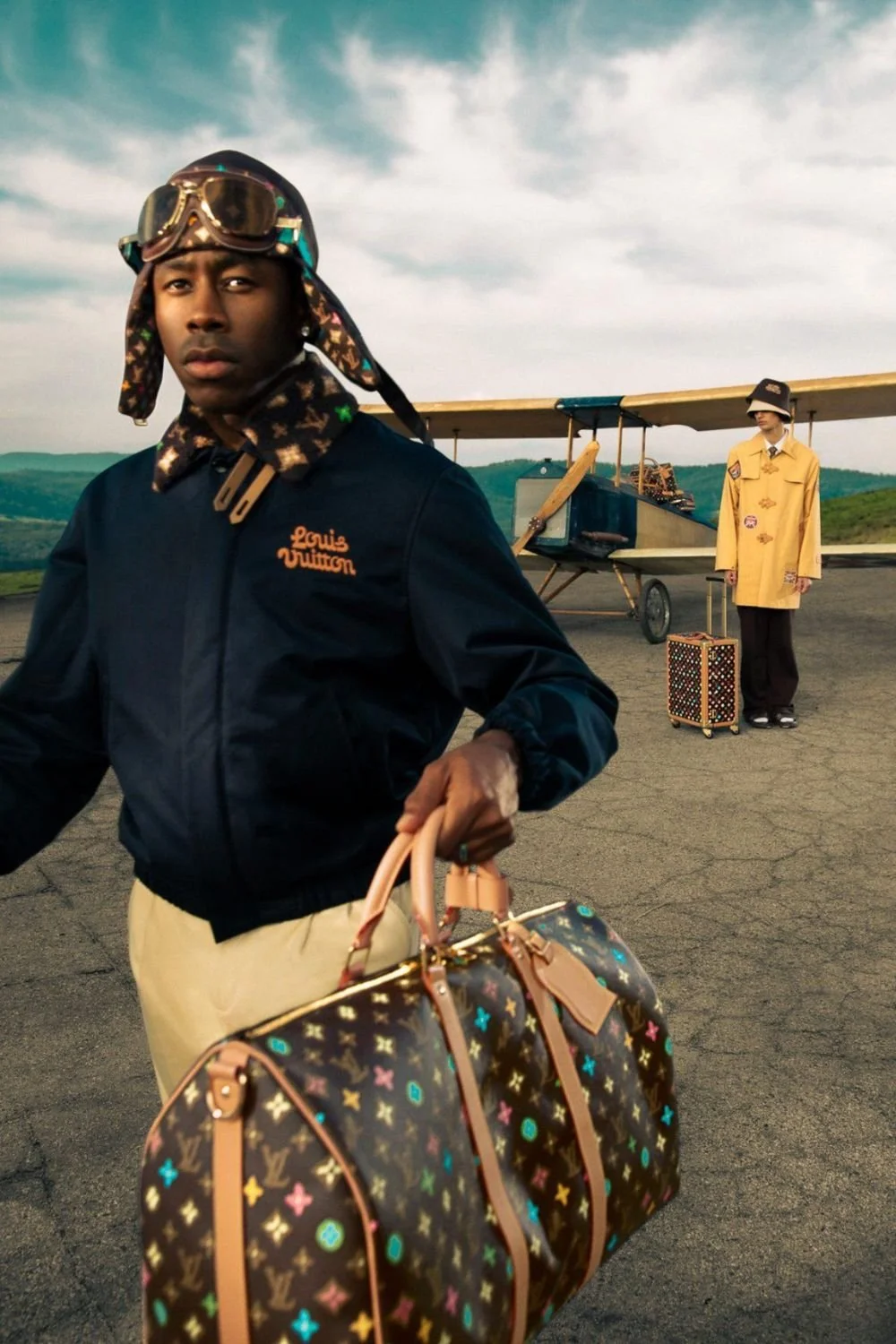
image source: getty images
Over time, it matured into cleaner pieces that still hold onto color, but feel more wearable day-to-day.
Then there’s Golf le FLEUR*
That’s where everything sharpens. Knitwear, fragrance, luggage, tailored pieces. It leans more lifestyle than merch. Less about statement, more about atmosphere.
Even collaborations with brands like Louis Vuitton and Lacoste follow that same idea: classic pieces, just pushed slightly off-center.
Why His Style Actually Sticks
Tyler’s outfits don’t stand out because they’re extreme. They stand out because they feel complete.
They stand out because they feel complete.
There’s always a point of view behind them, even when the pieces themselves are simple.
That’s why it translates.
It’s not about copying what he wears.
It’s about understanding how fully he leans into it.
The Throughline
If there’s anything to pull from Tyler’s approach, it’s this:
Pick a direction, and stay in it long enough for it to become yours.
Not every outfit needs to say something new.
But it should feel like it belongs to the same world.
That’s what makes it stick.