Why Your Glass Skin Routine Looks Oily — And the Lightweight Products That Fix It
I Tried Glass Skin. Instead, I Just Looked Oily.
Somewhere between glazed doughnut skin, dolphin skin, and glass skin, the goal became unclear. Was I supposed to look luminous, glossy, or softly reflective?
Every routine seemed to involve layering more hydration, so I did. Toners, essences, serums. My skin looked dewy for about five minutes, then just oily.
The finish wasn’t smooth. It looked like product sitting on top of my skin.
Somewhere in all that layering, I realized glass skin isn’t about how much glow you add. It’s about how evenly the skin holds it.
What Glass Skin Actually Is
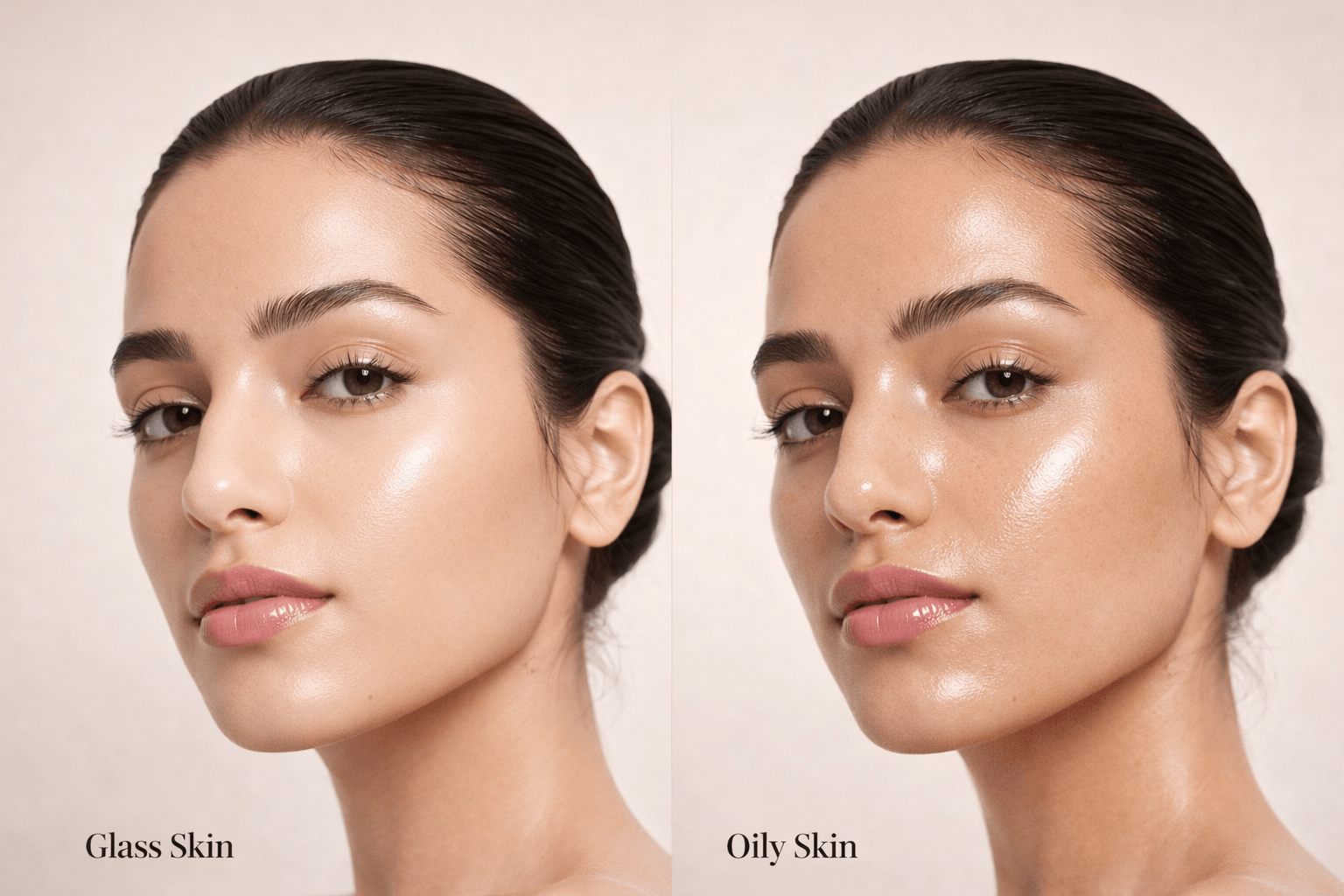
Glass skin isn’t about shine. It’s about clarity.
The skin looks smooth, hydrated, and softly polished. There’s no obvious glow product doing the work. It just looks balanced, like your skin on a really good day.
That’s why glass skin often looks subtle in person. It doesn’t read as shimmer or oil. It just looks even.
Two people can use the same hydrating products and get completely different results. One looks fresh and glassy.
The other looks shiny.
The difference usually isn’t the glow. It’s how balanced the skin looks underneath it.
Why Most Glass Skin Routines Go Wrong
Glass skin often gets interpreted as “add more hydration.” That’s usually where things tip into oily.
Layer too much.
The glow starts sitting on top of the skin. Heavier textures make the finish look coated. Add oil at the end, and everything starts looking thicker.
Your instinct is to keep adding more.
Another serum. Another essence. A glow primer. But glass skin usually comes from restraint.
It’s less about stacking glow and more about letting hydration absorb.
A helpful rule most routines follow is applying products from thinnest to thickest.
Lightweight layers sink in. Heavier ones seal everything in. When that order flips, the finish starts looking greasy instead of smooth.
What Actually Creates the Glass Skin Look
Glass skin typically starts with lightweight hydration. Not heavy creams or oils, but watery layers that disappear into the skin.
This is where hydrating toners and essences come in.
If you’re new to skincare, think of them as thin, water-like steps that hydrate without feeling heavy.
They help the skin look plumper and allow the next products to absorb more evenly.
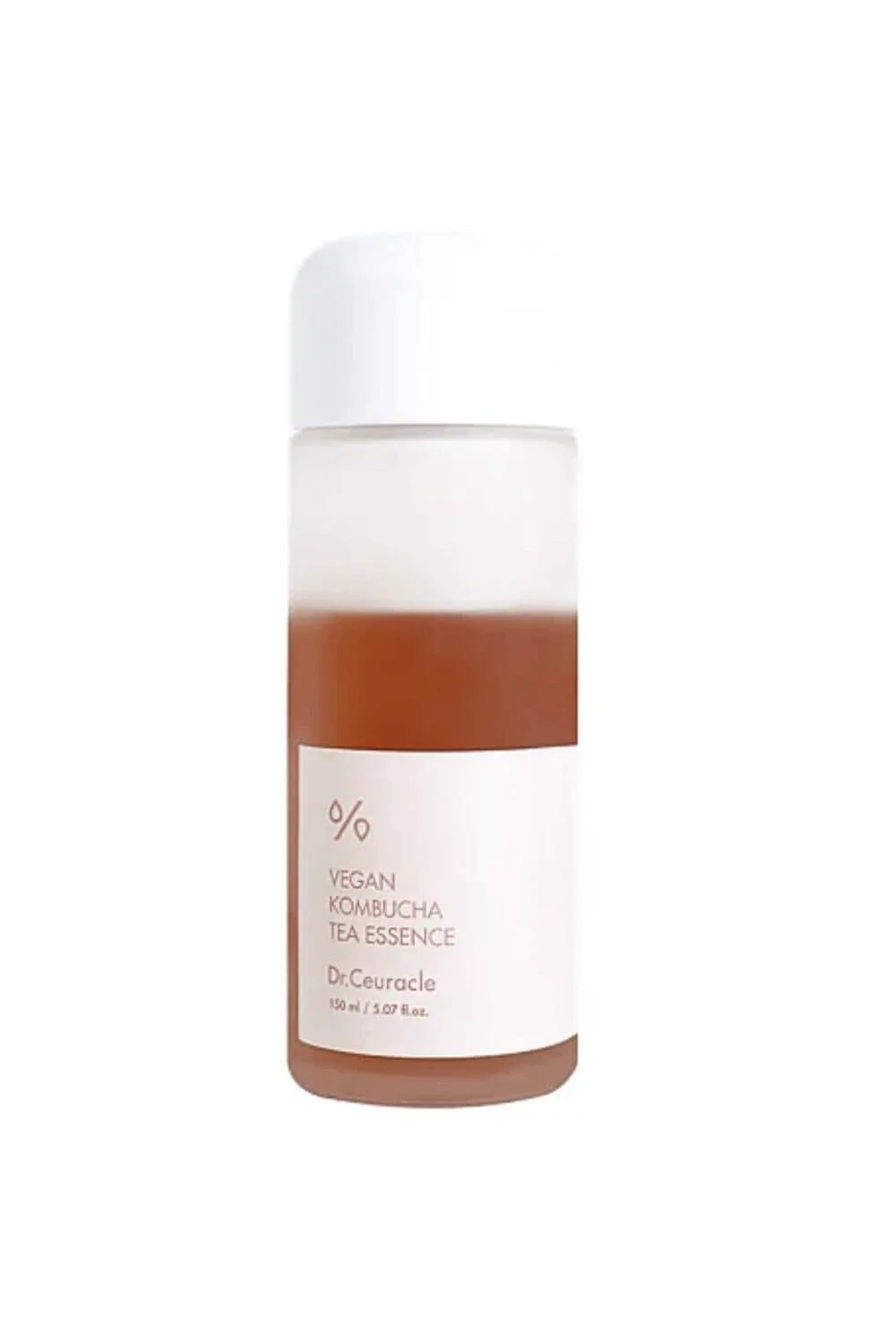
Dr. Ceuracle Vegan Kombucha Tea Essence is known for delivering hydration without heaviness, making it easier to layer without looking greasy.
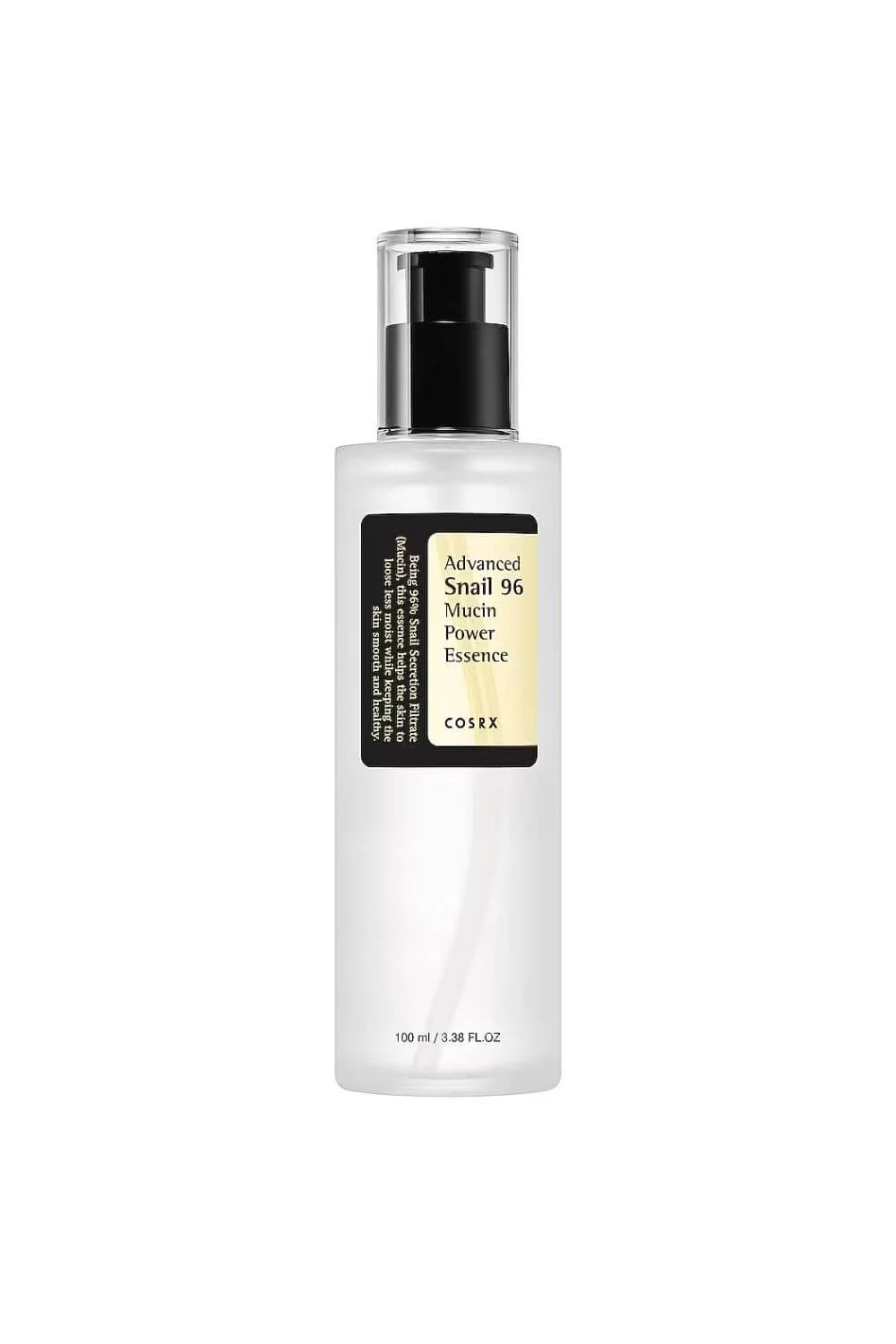
COSRX Advanced Snail 96 Mucin Power Essence is lightweight and designed to give a natural glow without residue.
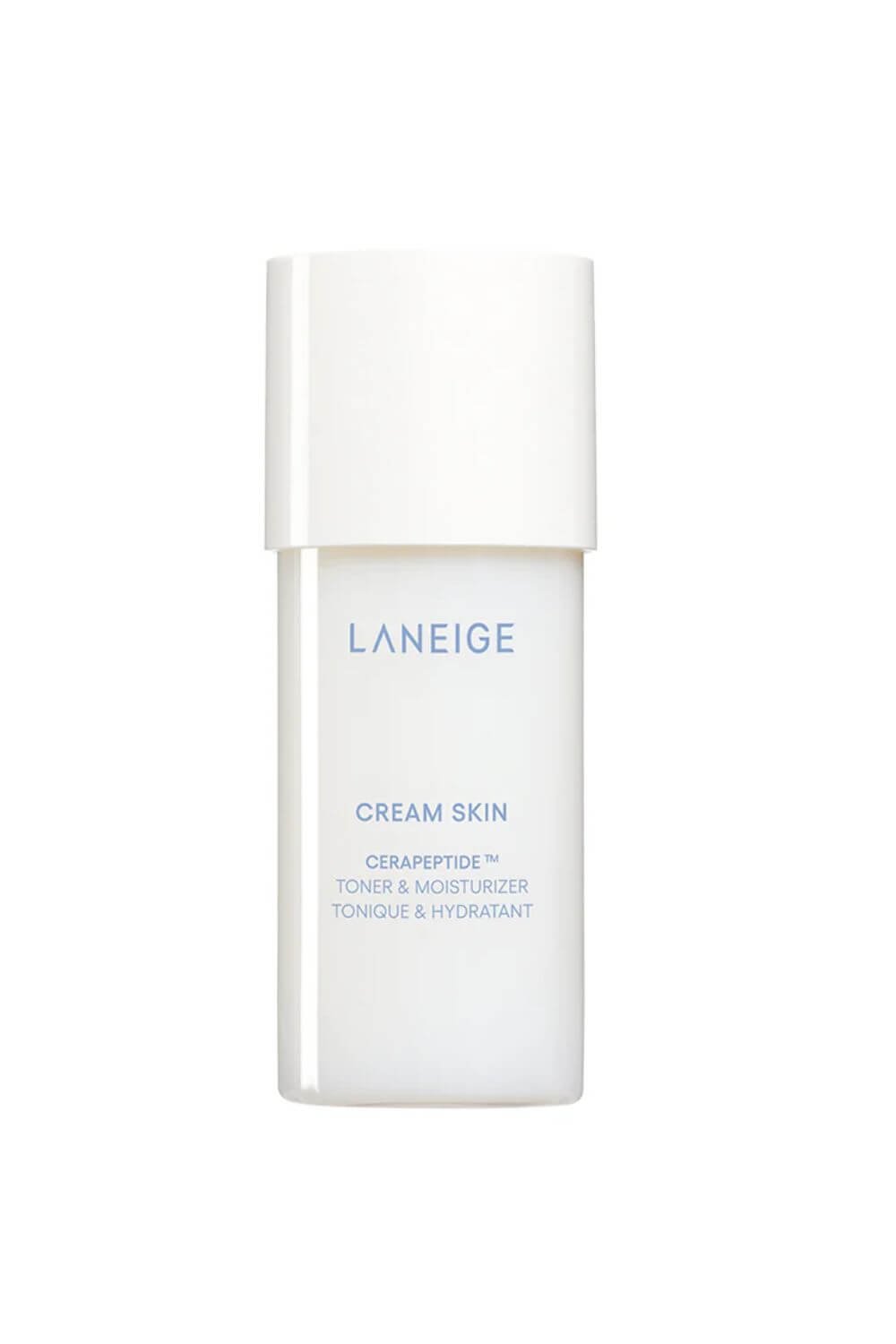
Laneige Cream Skin Toner & Moisturizer works like a cream compressed into a watery texture, boosting hydration without weight.
Skin1004 Tone Brightening Capsule Ampoule combines hydration with niacinamide to help even tone and smooth the finish.
Instead of using one thick cream, the finish usually builds in light layers:
hydrating toner
lightweight serum
light moisturizer
Each layer absorbs before the next goes on. The skin looks smoother, not shinier.
Ingredients like hyaluronic acid and glycerin pull water into the skin, which helps it appear fuller and more even.
Niacinamide helps tone appear more balanced, so glow reads softer instead of greasy.
Best Lightweight Products for a Glass Skin Routine
Some beginner-friendly products people often use for this type of routine include lightweight hydrating toners like, Laneige Cream Skin Toner, Round Lab Birch Juice Toner, and Haruharu Wonder Black Rice Toner.
Essence-style hydration often comes from formulas like COSRX Snail Mucin Essence, Dr. Ceuracle Kombucha Essence, or Beauty of Joseon Ginseng Essence Water, which add hydration without heaviness.
Light serums like The Ordinary Hyaluronic Acid, Torriden Dive-In Serum, or Glow Recipe Plum Plump Serum help boost moisture while keeping the finish smooth.
To seal everything in without weight, gel moisturizers like Neutrogena Hydro Boost, Belif Aqua Bomb, or Clinique Moisture Surge tend to work well.
When these layers stay lightweight, the finish looks clear. When they get too heavy, the glow starts turning into shine.
Glass skin doesn’t look wet. It looks quietly reflective.
Tried Glass Skin — But Your Skin Looked Oily Instead?
Peach fuzz, dry patches, uneven texture, and buildup can all interrupt the finish.
Instead of looking smooth, the glow catches in certain areas. In some lighting it reads dewy. In normal lighting it just looks shiny.
This is why dermaplaning and gentle exfoliation come up so often in glass skin conversations. It’s not really about hair removal. It’s about smoothing the surface so hydration sits evenly.
When the surface is smoother, makeup blends easier, powder doesn’t catch, and the glow appears softer instead of heavier. The difference isn’t dramatic. It’s just more even.
Some people get this effect from gentle chemical exfoliants like lactic acid or PHA toners.
Others prefer light dermaplaning. Some don’t need either.
The point isn’t the method. It’s the surface.
When Dewy Turns Greasy
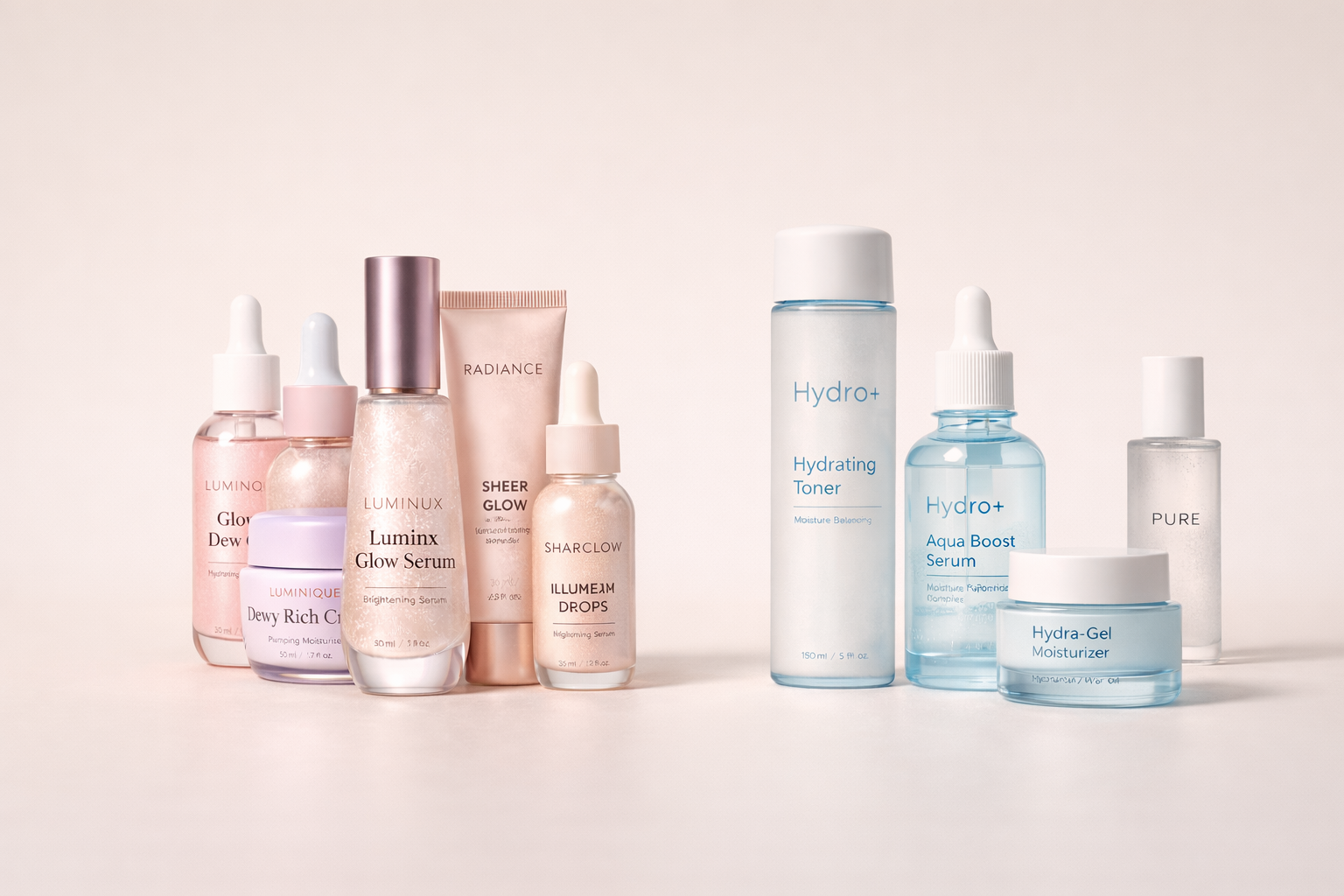
Glass skin usually shifts into oily territory when too much gets layered at the end.
Common culprits include facial oils over hydration, thick moisturizers, glow primers, multiple serums at once, or not letting layers absorb.
The glow stops looking blended and starts looking coated.
Glass skin tends to work best when hydration stays lightweight and controlled. The reflection is there, but subtle.
Glass Skin vs Oily Skin
Glass skin appears hydrated and even.
Oily skin appears shiny and uneven.
Glass skin reflects softly.
Oily skin reflects heavily.
Glass skin looks blended into the skin.
Oily skin sits on top of it.
The difference isn’t more glow. It’s balance.
