How To Stop Foundation From Separating On Your Nose (And Why It Happens)
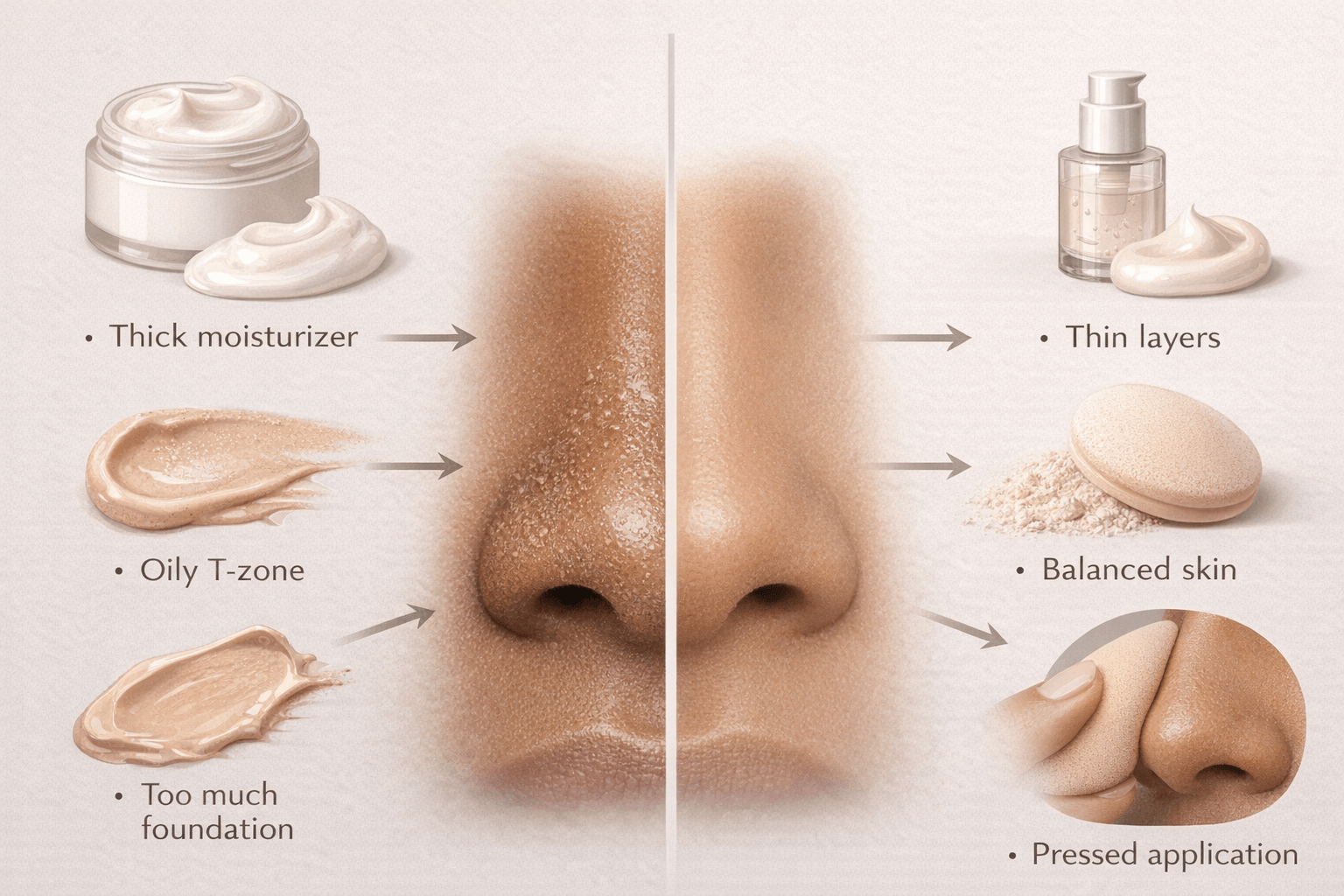
Makeup separating on the nose is one of those things that seems random. You apply your foundation, everything looks smooth, and then a few hours later it starts breaking apart right in the center of your face.
It usually starts cracking around the nostrils first. Then the sides of the nose. Sometimes the foundation disappears completely.
It’s frustrating, especially when the rest of your makeup still looks fine.
The nose is one of the hardest areas for makeup to hold. It moves constantly, tends to get oilier throughout the day, and often ends up with more product layered on top.
Most of the time, it’s not the foundation. It’s what’s happening underneath it during skin prep before makeup.
If you're trying to stop foundation separating on nose, understanding these causes makes the biggest difference.
Why Foundation Separates On The Nose
The nose is a small area that deals with oil, movement, and product buildup all at once. Because of this, foundation has less grip and can break apart more easily.
This often looks like:
• Foundation breaking around the nostrils
• Patchiness on the sides of the nose
• Makeup disappearing from the center
• Texture showing through
• Foundation separating after a few hours
Even small layering issues become more noticeable on the nose.
The Nose Gets Oily Faster
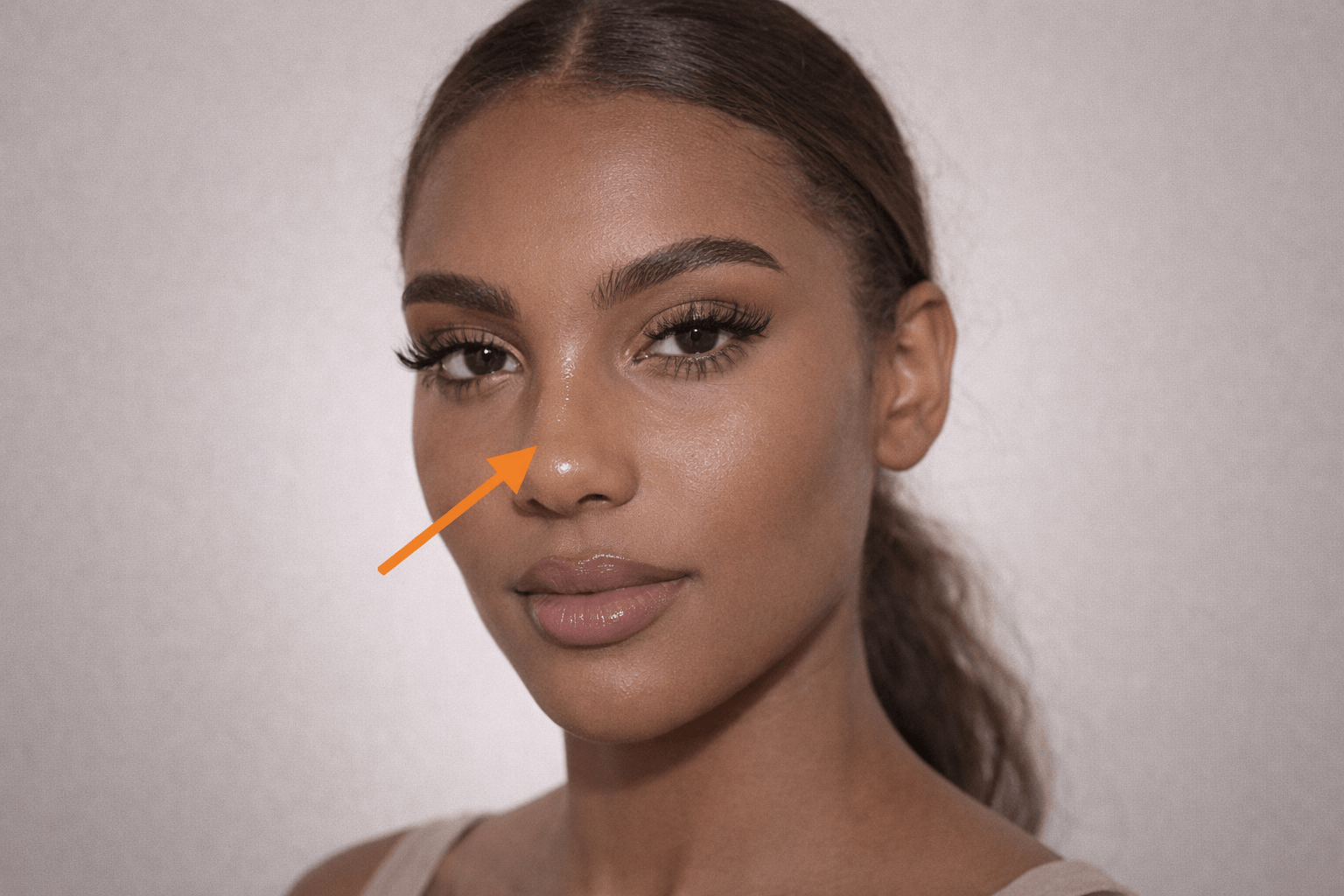
The nose is usually part of the T zone, which produces more oil throughout the day. When oil mixes with foundation, it breaks down the product and causes separation.
This is why makeup often disappears from the nose first.
To help prevent this:
use less moisturizer directly on the nose
apply a small amount of powder only in this area
use a light oil controlling primer if needed
avoid layering too many dewy products
Keeping the nose more balanced helps foundation stay in place longer.
Too Much Foundation On The Nose
Applying foundation directly to the nose can create buildup quickly. Because the area is small, even a normal amount can be too much.
This often leads to:
caking around the nostrils
patchy blending
foundation sliding
visible separation
A better approach is using leftover product instead of applying fresh foundation.
Apply foundation to the rest of the face first, then use the remaining product on your brush or sponge and lightly tap over the nose. Thinner layers hold better in this area.
Heavy Skincare On The Nose
Too much skincare on the nose can create a slippery surface that foundation cannot grip. Thick creams, oils, and multiple layers can sit on top of the skin instead of absorbing.
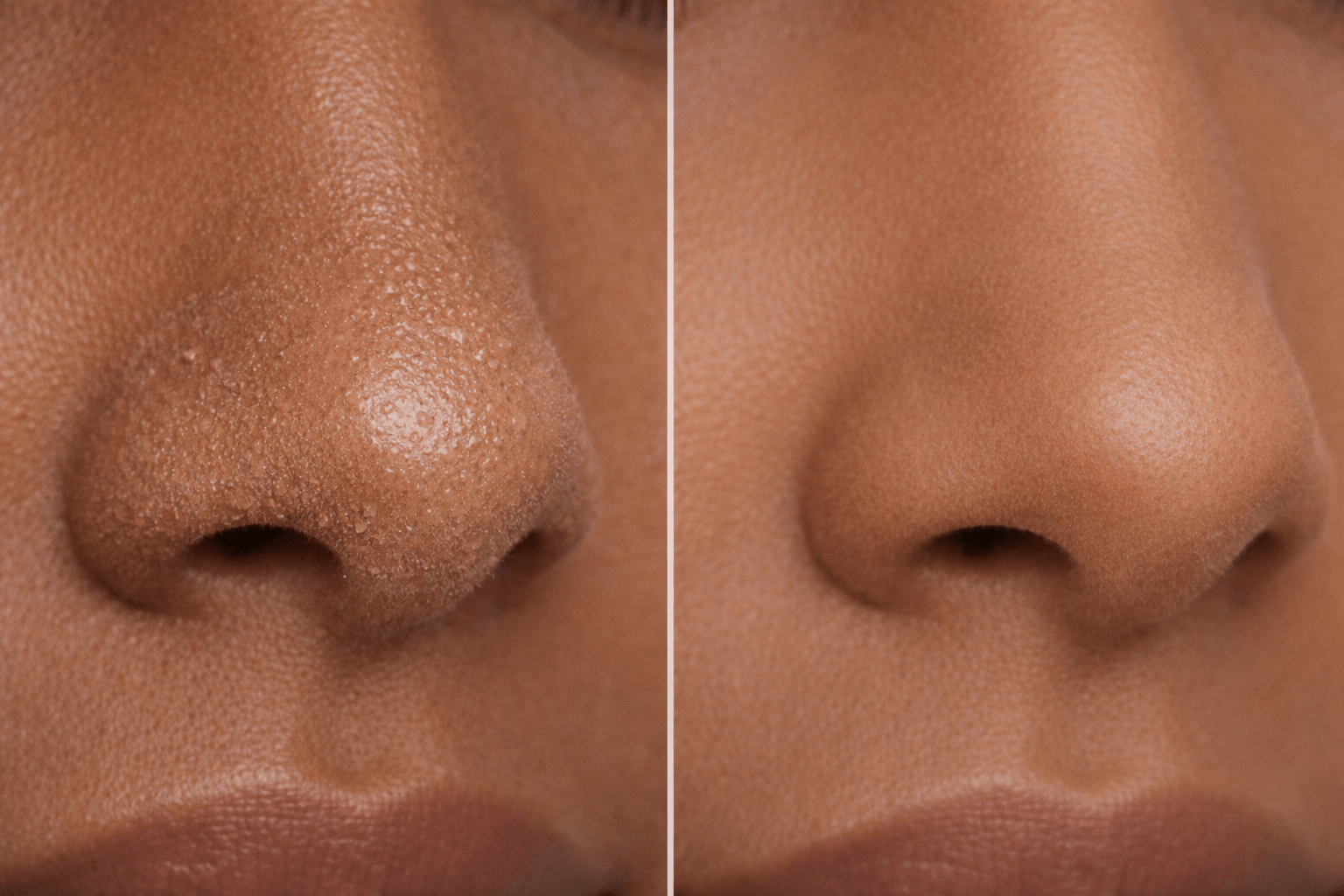
When foundation is applied over this, it moves the layers underneath and begins to separate.
This is especially common when:
using rich moisturizer across the entire face
layering serum, moisturizer, and SPF heavily
applying facial oil before makeup
using thick sunscreen around the nose
Keeping skincare lighter in this area helps foundation sit more evenly.
Dry Or Flaky Skin On The Nose
Separation can also happen when the nose is dry or slightly flaky. When skin is dehydrated, foundation clings to texture and breaks apart as the skin moves.
This often looks like:
foundation catching on dry patches
texture showing around nostrils
patchiness after blending
foundation lifting throughout the day
Gentle exfoliation and balanced hydration help create a smoother base so makeup applies more evenly.
Skincare That Hasn't Fully Absorbed
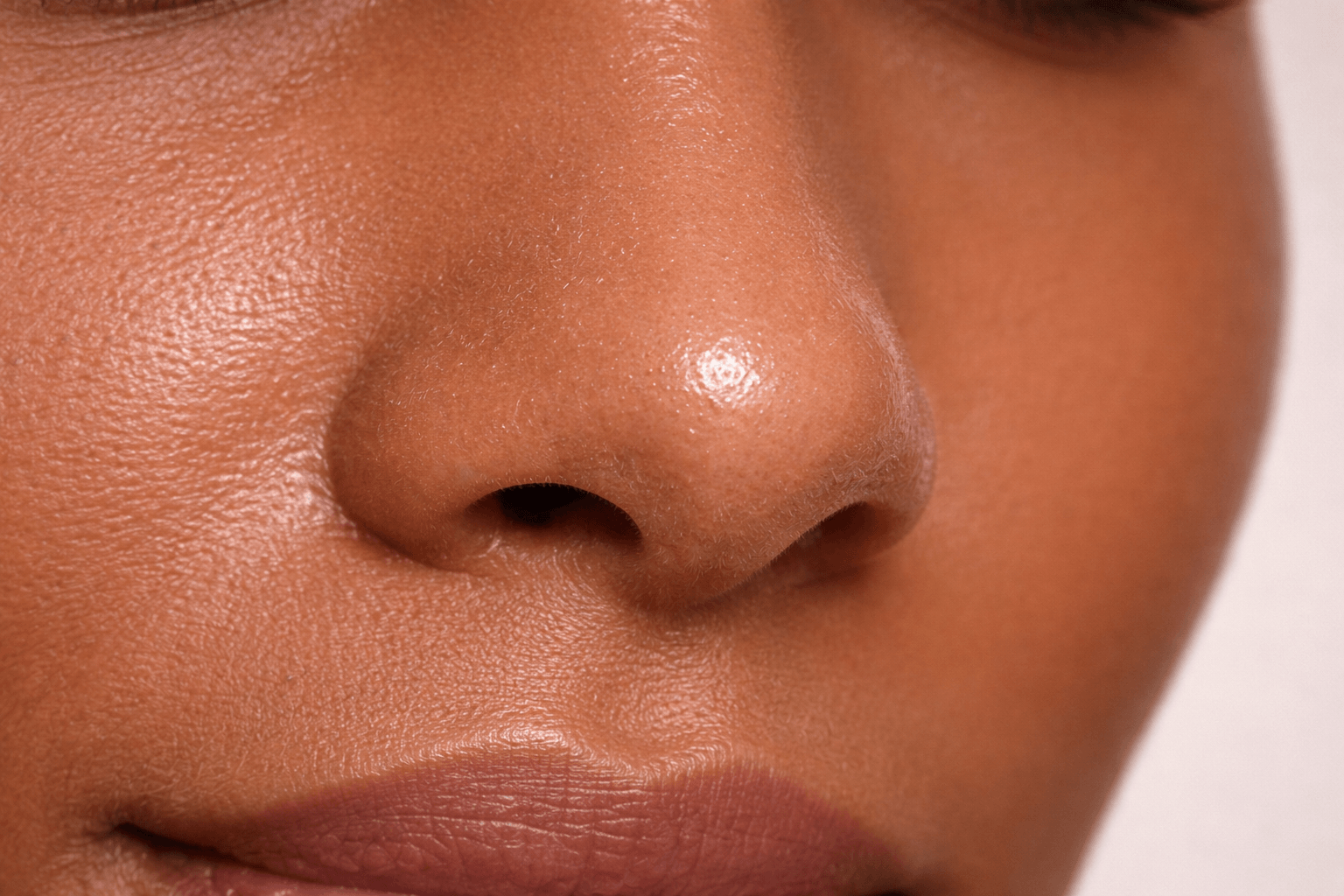
Applying foundation before skincare settles can cause layers to mix together. When moisturizer, SPF, or primer is still sitting on the skin, foundation has nothing stable to sit on.
This can cause:
foundation sliding off the nose
uneven blending
patchy texture
makeup breaking apart quickly
The skin should feel hydrated but not wet before applying makeup. Letting products absorb helps foundation grip better.
Mixing Primer And Foundation Formulas
Sometimes separation happens because products underneath don’t work well together. This is especially common when mixing water based and silicone based formulas.
For example:
silicone primer with water based foundation
oil rich moisturizer under lightweight foundation
heavy sunscreen layered with multiple products
When formulas don’t sit well together, they can shift or repel once foundation is applied. This often causes separation on the nose first.
Keeping layers simple and compatible helps makeup stay in place.
Application Technique Matters
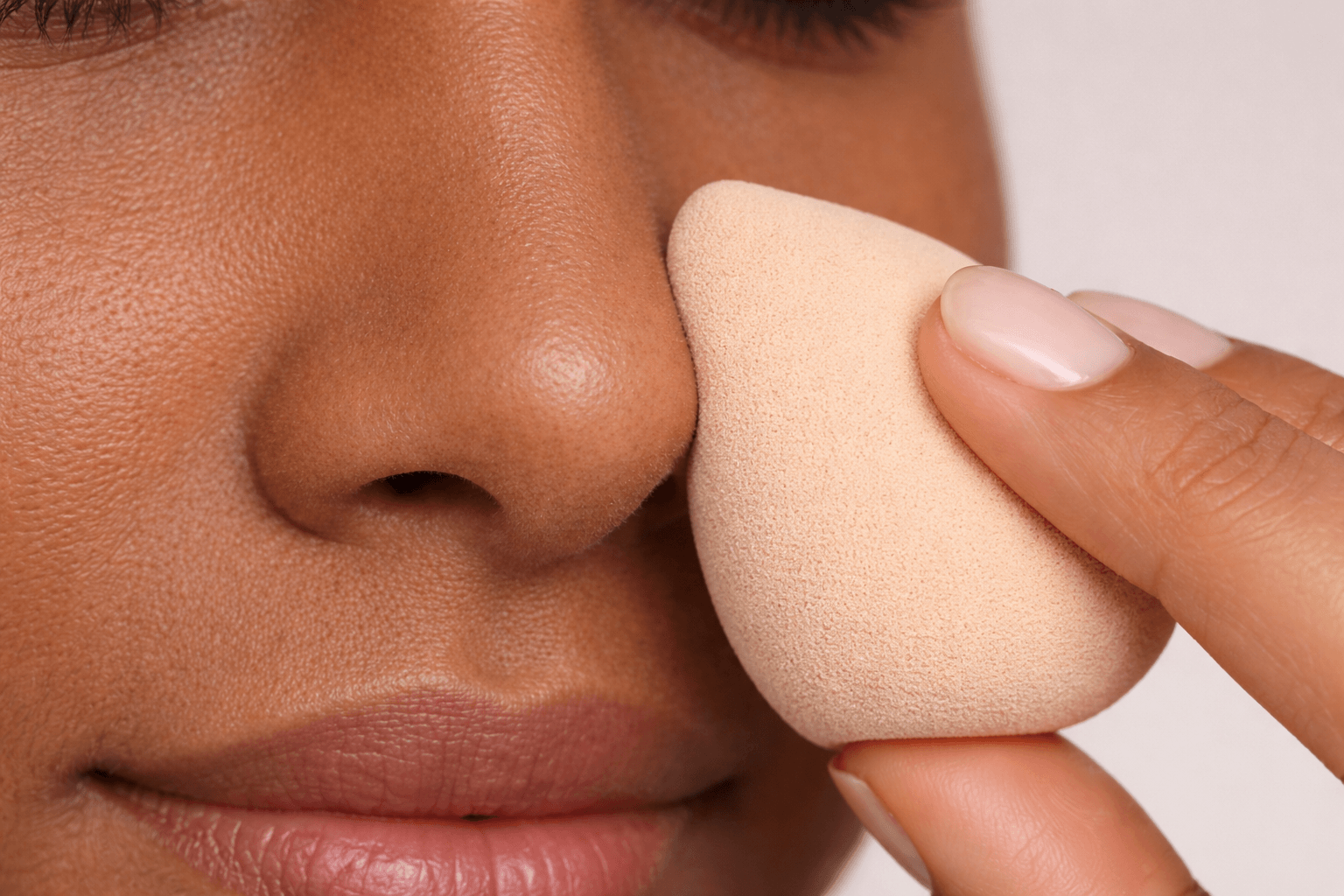
How foundation is applied on the nose makes a big difference. Swiping product across this area can move layers underneath and create streaking.
Instead:
press foundation into the skin
use a tapping motion with a sponge
avoid dragging product across the nose
use a damp sponge, not a wet one
Pressing helps foundation adhere without shifting the base underneath.
Touching Your Face Can Cause Separation
The nose is touched more than most areas of the face. Blowing your nose, adjusting glasses, resting your hand, or scratching can break down foundation throughout the day.
This friction causes:
foundation lifting
patchiness
makeup disappearing from the nose
uneven texture
Using thinner layers and setting lightly can help makeup hold better even with movement.
How To Stop Foundation Separating On Nose
Small adjustments usually make the biggest difference when trying to stop foundation separating on nose. For instance:
use leftover foundation instead of applying directly to the nose
keep skincare lighter in this area
let moisturizer and SPF fully absorb
press foundation into the skin instead of swiping
use a small amount of powder on the nose
avoid mixing incompatible product formulas
use a damp sponge, not a wet one
apply thinner layers of makeup
Once the base underneath is balanced, foundation holds more evenly and stops separating throughout the day. If you're trying to stop foundation separating on nose, simplifying your skin prep and using thinner layers usually makes the biggest difference.
This is why many people try to stop foundation separating on nose by changing foundation, when the real issue is the base underneath.
