Why Your Makeup Looks Cakey After a Few Hours (And What to Do)
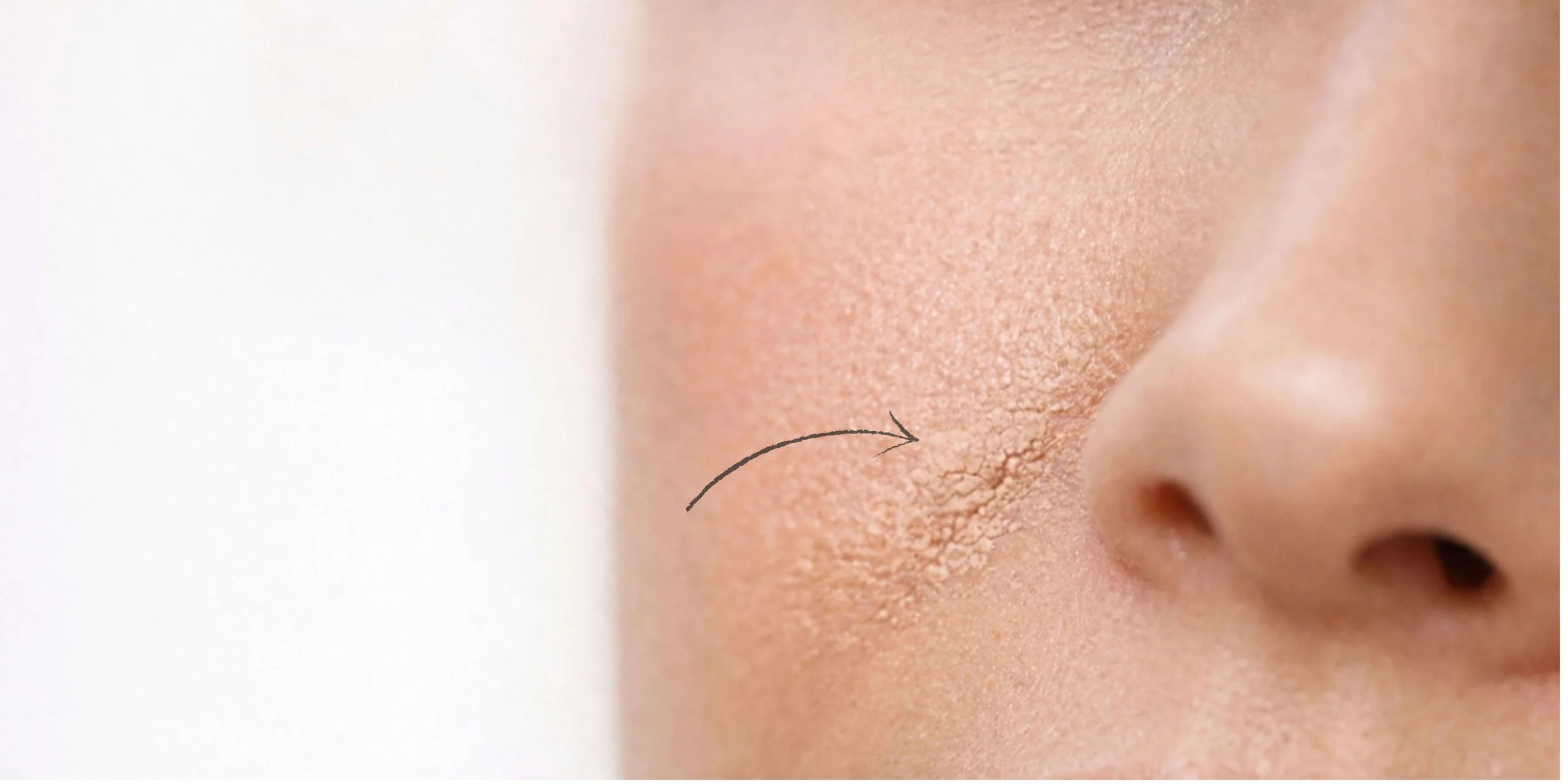
Your makeup looks smooth when you first apply it, but a few hours later it starts to break apart. This is often why your makeup looks cakey after a few hours, even when it looked even at first.
Foundation separates.
It looks patchy around the nose.
Texture shows through.
Some areas look dry while others look shiny.
Most of the time, it’s not the makeup. It’s the base underneath it.
When skin prep before makeup is too heavy, layered incorrectly, or hasn’t absorbed, foundation has nothing stable to sit on. Instead of blending into the skin, it starts to slide, cling, or break apart.
Makeup separating usually isn’t random. It’s often caused by how the skin is prepped, how products are layered, or how foundation is applied. Once the surface underneath is balanced, makeup holds much more evenly.
Why Your Makeup Separates
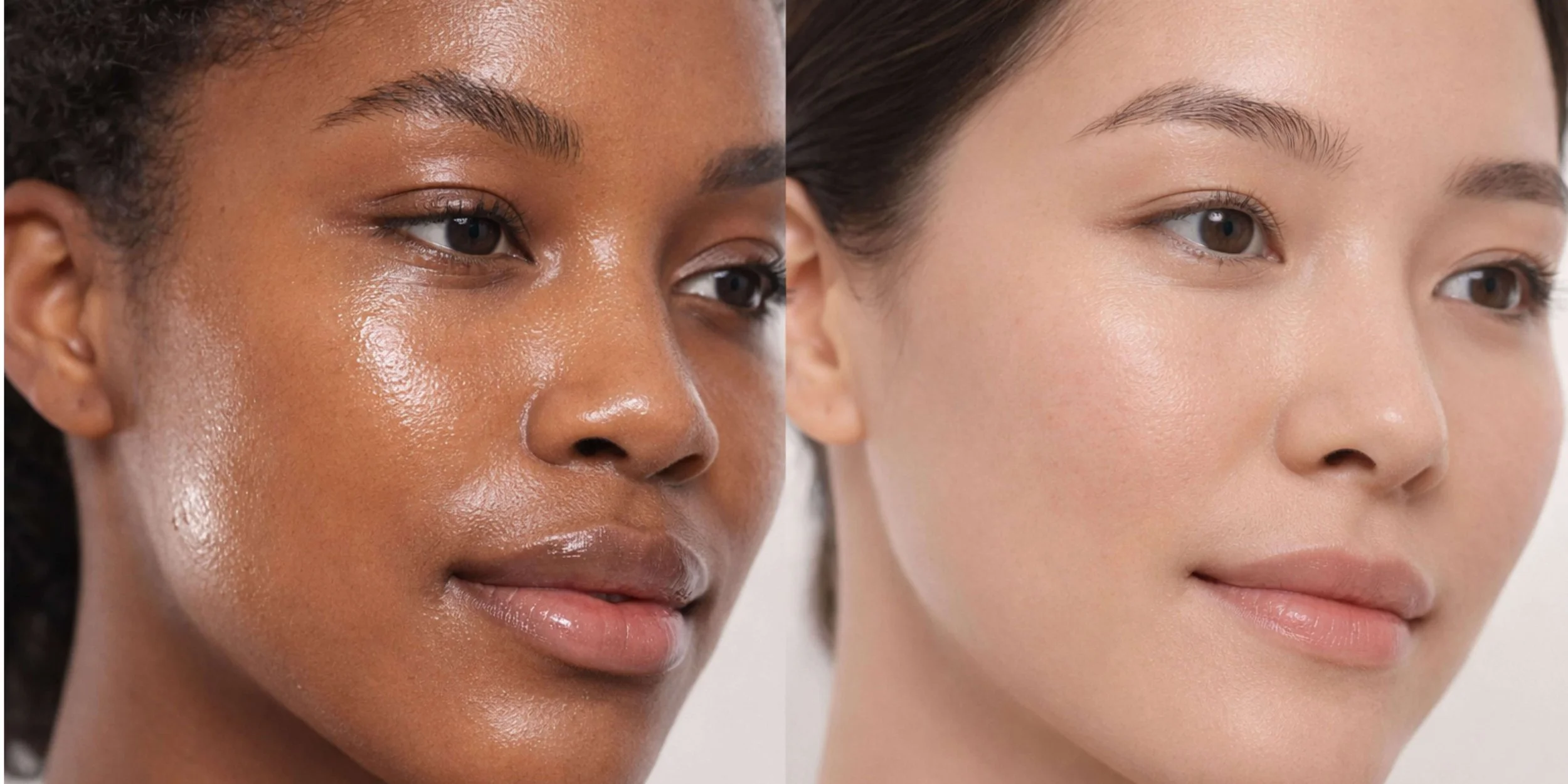
Makeup separates when the surface underneath isn’t balanced.
If skincare is too heavy, makeup can slide.
If skin is too dry, coverage clings to texture.
If products haven’t absorbed, everything shifts during application.
Foundation works best when the skin underneath is hydrated, smooth, and settled, not layered.
When that balance is off, makeup has trouble gripping evenly.
Where Makeup Usually Separates

Separation usually happens in areas that move the most.
This often includes:
around the nose
smile lines
around the mouth
chin
between the brows
These areas crease naturally throughout the day. If too much product is sitting on the skin, movement breaks it apart.
This is especially common when:
foundation is applied heavily in the center of the face
moisturizer hasn’t absorbed around the nose
multiple products are layered in smile lines
Thin layers hold better than heavy ones, especially in high-movement areas.
Too Much Skincare Before Makeup
Layering too many products is one of the most common causes of separation.
Multiple serums, thick creams, oils, and SPF can create a surface that’s too slippery. Instead of absorbing, products sit on top of each other.
When foundation goes on top, it moves those layers around.
This can happen when:
using two or three serums before makeup
applying heavy moisturizer and facial oil together
layering thick sunscreen under full coverage foundation
using rich night cream before daytime makeup
This often leads to:
patchy foundation
pilling
uneven blending
makeup sliding
Skin prep should feel balanced, not heavy.
Mixing Product Formulas
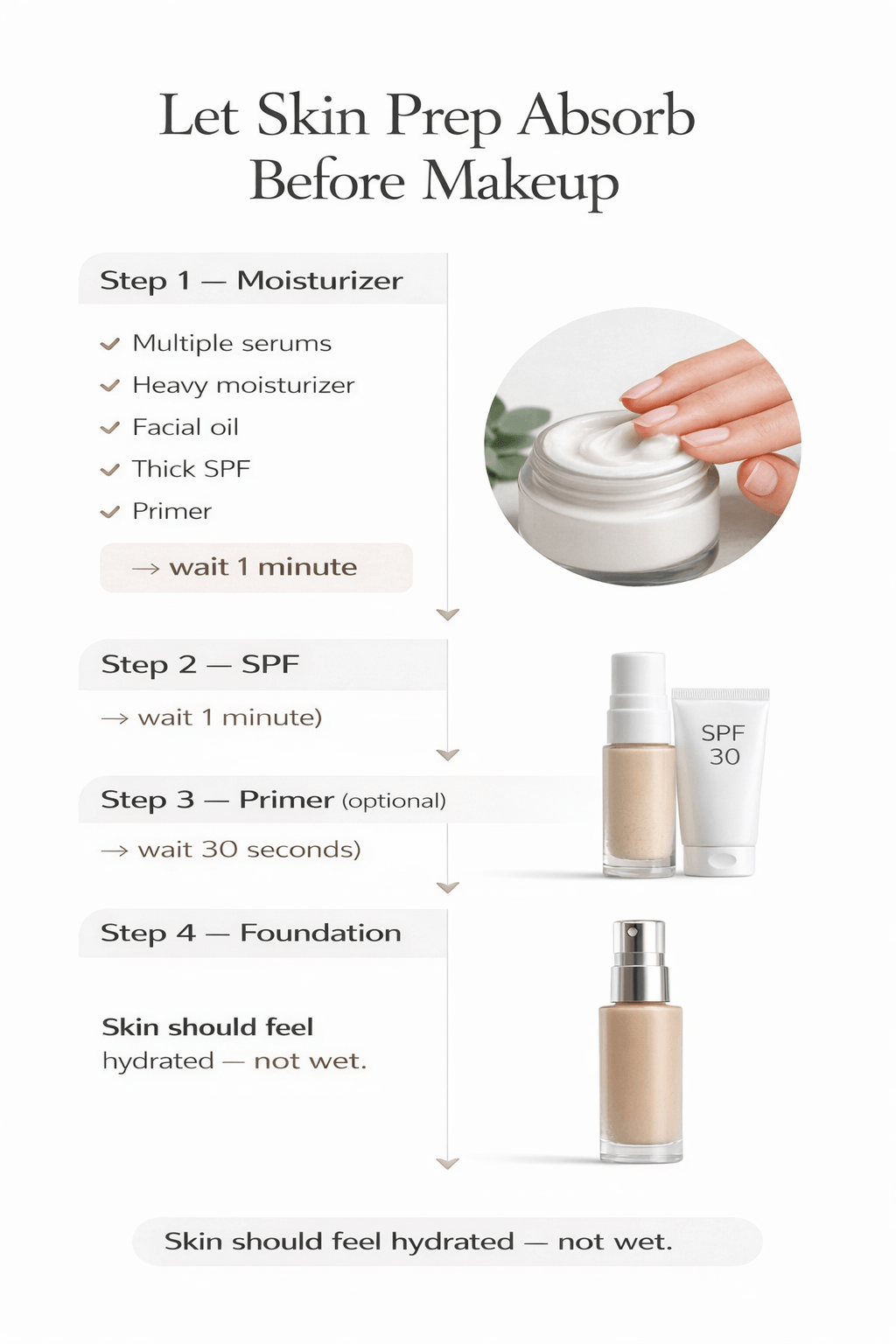
Sometimes makeup separates because the layers underneath don’t blend well together.
This can happen when formulas don’t work together, especially if one layer is more slippery than another.
For example:
silicone-based primer with lightweight water foundation
oil-rich moisturizer under thin foundation
heavy sunscreen layered with multiple serums
When formulas don’t sit well together, they can shift or repel once foundation is applied.
This often looks like:
makeup breaking apart
patchy blending
texture showing through
coverage sliding throughout the day
Keeping layers simple helps products sit more evenly.
Not Letting Skin Prep Absorb
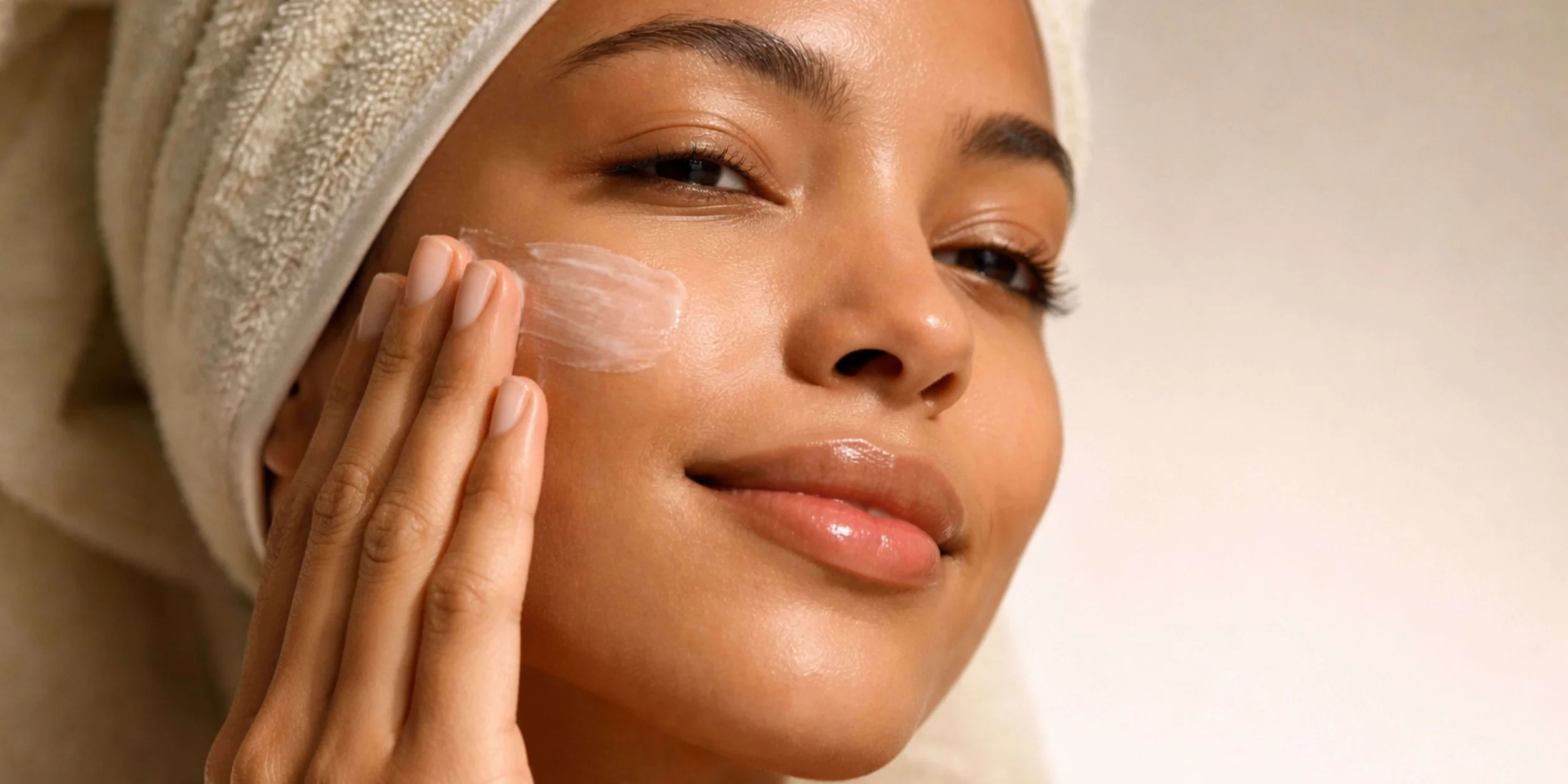
Even the right products can cause separation if they don’t have time to settle.
Applying moisturizer, SPF, and primer back-to-back creates layers that haven’t bonded to the skin yet.
When you apply foundation too soon:
products mix together
makeup shifts
coverage breaks apart
texture becomes visible
This is especially common when:
skin still feels tacky before foundation
moisturizer hasn’t fully rubbed in
sunscreen is still sitting on top of skin
The skin should feel hydrated, not wet, before applying makeup.
If your skin still feels slippery, wait another minute before starting.
Tools Can Also Affect Separation
Sometimes the issue isn’t just skincare. It can also be how foundation is applied.
A sponge that’s too wet can dilute foundation and cause it to separate. This can make makeup look patchy or uneven, especially around the nose and mouth.
Try using a sponge that’s damp, not wet. Pressing foundation into the skin instead of dragging also helps keep layers from shifting.
How To Fix Makeup Separating
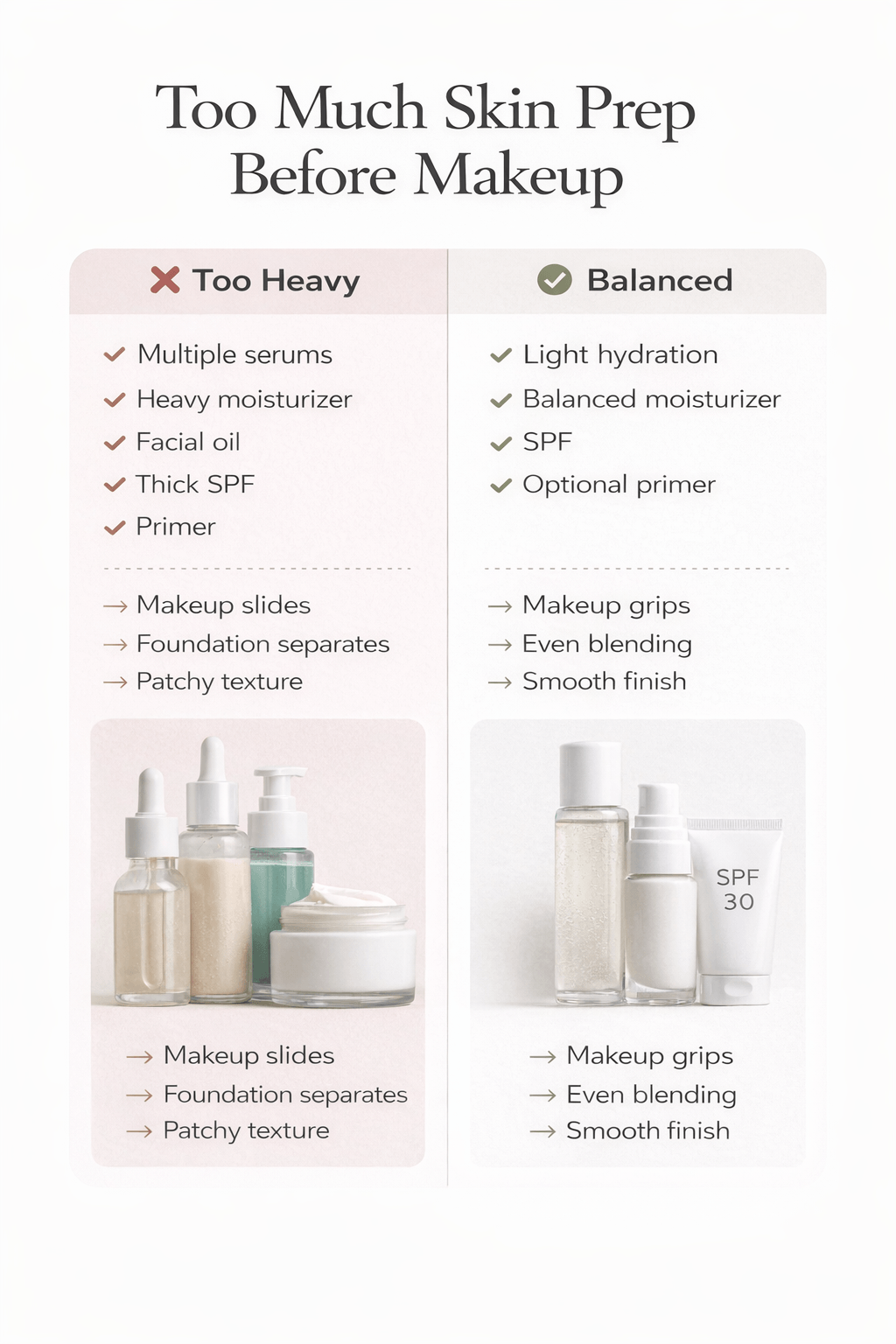
Fixing separation usually means simplifying your routine.
Start with clean skin.
Apply lightweight hydration if needed.
Follow with a balanced moisturizer.
Use SPF during the day.
Add primer only if necessary.
Then let everything absorb before applying makeup.
You can also help prevent separation by:
using thinner layers of skincare
avoiding heavy oils before foundation
letting SPF fully settle
applying foundation lightly in high-movement areas
pressing foundation in instead of rubbing
Using thinner layers often improves how makeup sits and helps it hold longer throughout the day.
Sometimes the best fix isn’t changing your makeup. It’s simplifying what goes underneath it.
